Mold, The Sinuses & Chronic Illness

It was time to write a blog on this topic. “What do I do about my sinuses?” is one of the most common questions I get on social media. Sinus support is always bio-individualized, but I’m sharing a few of my favourite tools and tips in this post.
What is Covered in This Blog:
how mold affects the sinuses
signs your sinuses may be involved
what the research says
the steps I use to support sinus health and favourite products
tools to discuss with your practitioner
Product Links:
Microbalance Health (Nasal rinse kit and Chitosan binder) - 15% off with code BYEMOLD
Cellcore registration link (Biotoxin binders)
For other supplements such as fish oil, liver support, etc.:
Fullscript Canada (15% off)
US Supplement Dispensary (20% off)- includes some Cellcore products.
Common Symptoms Linked to Sinus Health
When people explore chronic symptoms, they often focus on the gut, detox pathways, hormones, and inflammation. What many do not consider is the sinus passageway. The sinuses are the main entry point for mold and other microbes. For some individuals, this area can become a hidden source of ongoing inflammation long after leaving a moldy environment.
Not everyone has obvious sinus symptoms. Some have none at all, but these are common symptoms:
sinus congestion
facial pressure
headaches
post-nasal drip
sore throat
dizziness
a burning or dry feeling inside the nose
chronic cough
worsened symptoms in certain buildings or rainy days
fatigue
insomnia
brain fog
mood disorders
Water-Damaged Buildings and The Sinuses
Water-damaged buildings contain mold and bacteria that release toxins, including mycotoxins, endotoxins, VOCs and other irritating compounds. People exposed to these environments often report:
respiratory symptoms
fatigue
neurological symptoms
inflammation
changes in mood and sleep
What Research Shows About Mycotoxins and the Sinuses
Based on the study referenced in PMID 24368325
This paper explored whether the sinuses could be an internal source of symptoms in people with mold exposure.
Here is what the study found in simple terms:
1. Water-damaged buildings release biologically active toxins
Mold and bacteria in these environments produce mycotoxins, VOCs, exotoxins, and other inflammatory particles that settle in dust and air.
2. People exposed to these environments often develop chronic symptoms
The study described individuals with respiratory issues, neurological changes, and chronic-fatigue-type symptoms.
3. Many people continued to excrete mycotoxins long after leaving exposure
Some individuals still had detectable mycotoxins in their urine years after leaving the moldy building.
This raised an important question for researchers.
If exposure had stopped, where were the toxins coming from?
4. Mold inside the sinuses can produce mycotoxins
The sinuses can contain fungal species even in healthy people. Some of these species are capable of producing mycotoxins.
5. Mycotoxins were recovered from nasal washings
The study identified:
Aflatoxin
Ochratoxin A
Macrocyclic trichothecenes
These were found in nasal washings of individuals previously exposed to moldy environments. These toxins were not found in healthy controls.
6. The fungi in the sinuses existed in biofilms
Biofilms allow microorganisms to:
survive long term
resist the immune system
adhere to tissues
continue producing irritating compounds
7. Proposed explanation
The sinuses may act as an internal reservoir of toxin producing mold.
This could explain why some people continue to excrete mycotoxins and experience chronic symptoms long after leaving exposure.
My Personal Experience
My own experience with mold illness is why I take sinus health seriously.
I focused on gut health, detox pathways, food, inflammation, and improving my home. But my face often felt inflamed from the inside. I had congestion, pressure, headaches, insomnia, anxiety.
Imaging looked normal, but I had a deviated septum, swollen turbinates and a lot of inflammation. I eventually had sinus surgery due to structural issues, and now I believe much of this was connected to mold and other microbes.
This experience changed how I view the sinuses in chronic illness.
My Approach
I always include sinus support when working with mold exposure. Even if someone has no obvious sinus symptoms, the sinuses can still play a role.
I am only sharing the tools I personally use and recommend. This is not a comprehensive list. This does not mean they are the right fit for you.
This is a general framework, not medical advice. Dosage and length of treatment is bio-individualized.
Step 1: Address the Environment and Improve Air Quality
This is always the first priority.
reduce ongoing exposure
clean HVAC systems and vents
maintain indoor humidity below 50 percent
use high-quality air purifiers
remove dust regularly- use a vaccum cleaner that has a HEPA filter
Without addressing the environment, progress can be limited but still possible.
Step 2: Support Omega-3 Intake (Fish Oil)
Omega-3s and/or Resolvins play an important role in regulating inflammation, so I like to ensure this is in place before working on the sinuses.
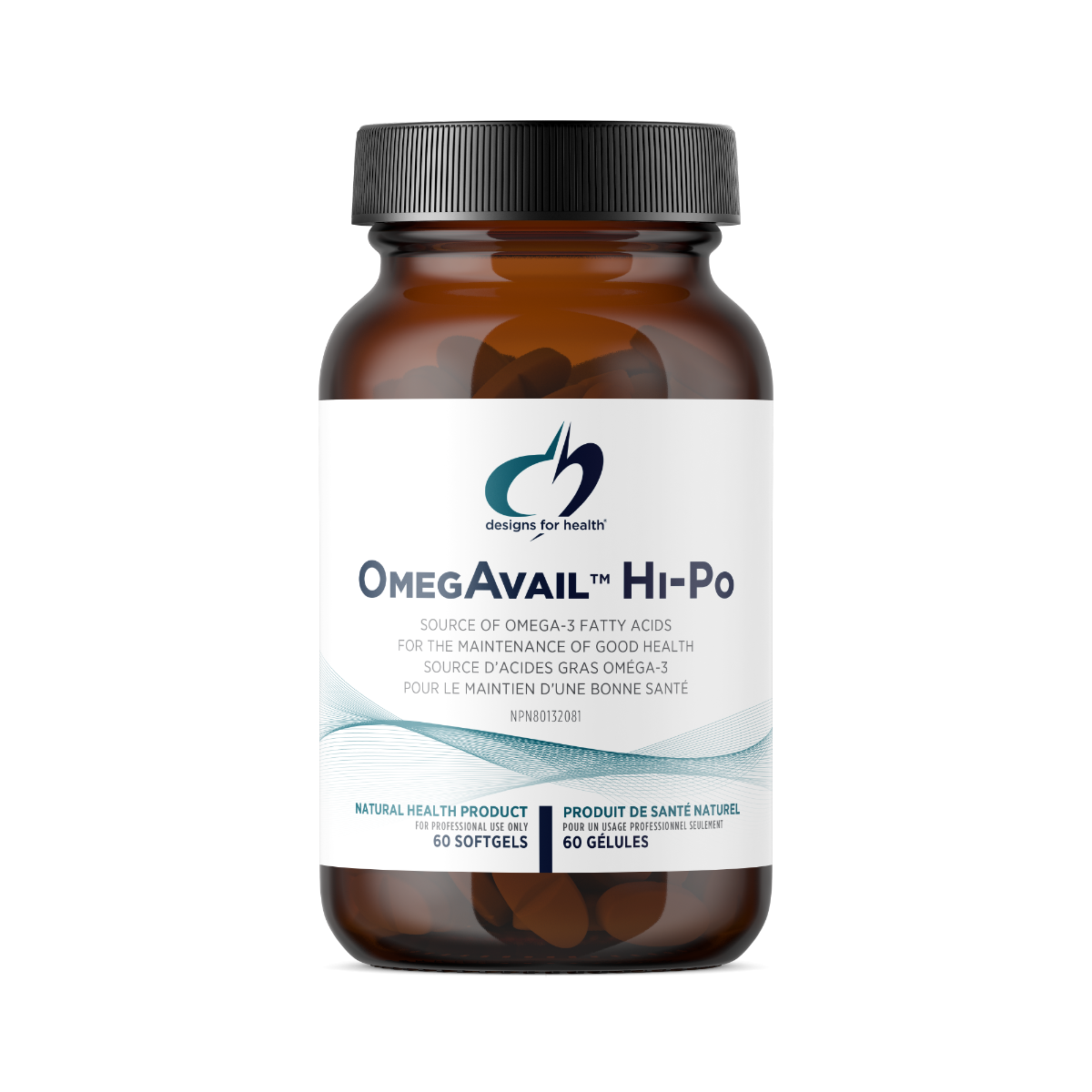
OmegAvail™ Hi-Po from Designs for Health
One of my favourite fish oils. Concentrated fish oil molecularly distilled and filtered to ensure purity and to maximize the removal of metals, pesticides, PCBs, and other contaminants. Available in Canada and the US:
Fullscript Canada (15% off)
US Supplement Dispensary (20% off)
Step 3: Support the Liver and Bile
Bile is one of the body’s main routes for clearing toxins.
Liver and bile support can help:
move toxins out
support digestion
reduce congestion in detox pathways
This step varies from person to person but often includes bitters, phosphatidylcholine, milk thistle, etc. Lots of options available in my online supplement dispensaries.
Step 4: Introduce a Binder
Binders help capture toxins so they can be removed rather than recirculated.
My favourites:
Chitosan with Bioflavonoids(15% off with code BYEMOLD). Note: This is sourced from shellfish. Avoid if you have shellfish allergies.
Biotoxin Binder or Carboxy from Cellcore (Cellcore registration link).
Binders are introduced slowly and adjusted based on the individual.
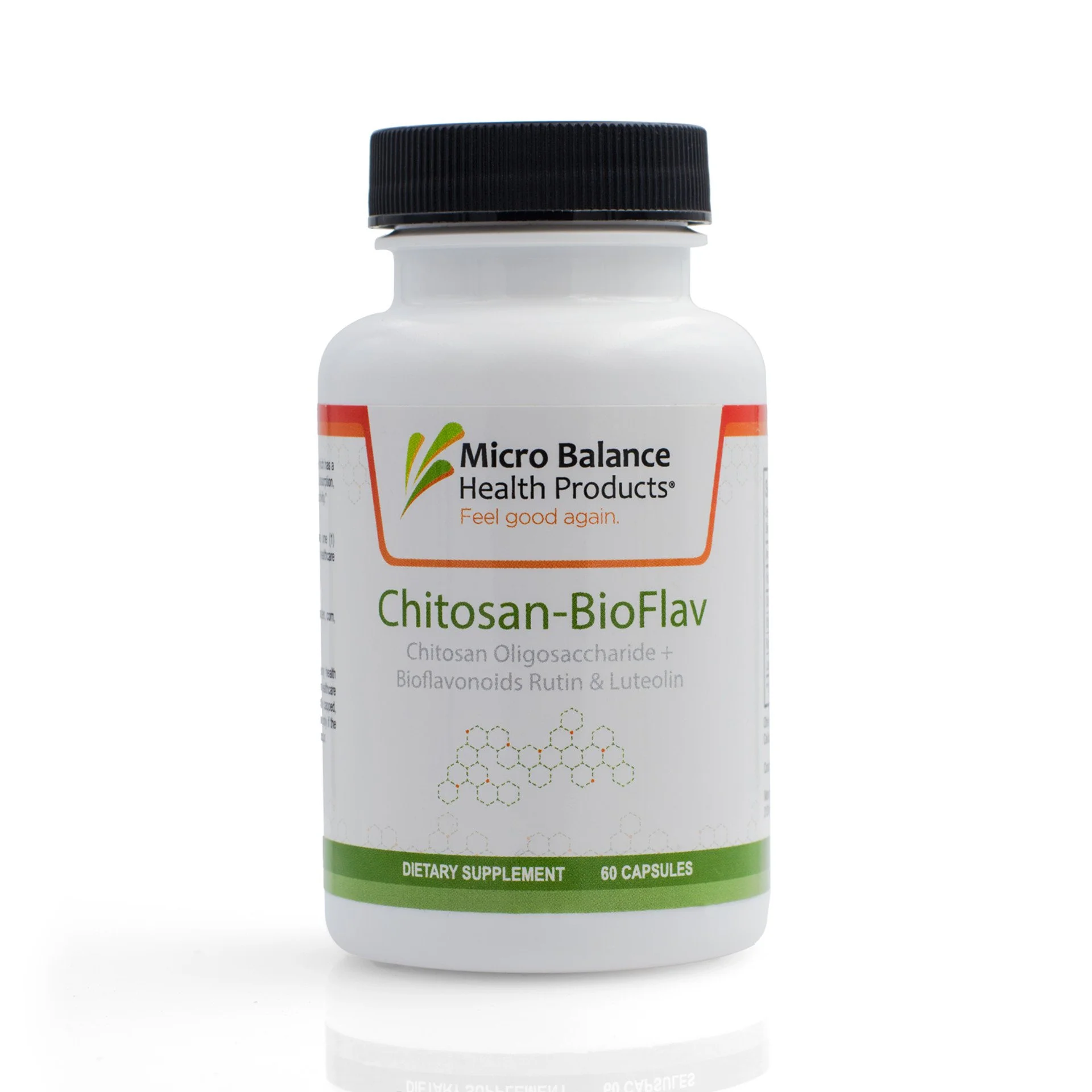
Chitosan-BioFlav from Microbalance Health (CONTAINS SHELLFISH!)
This is a researched binder and sinus support tool that deserves far more attention.
15% off with my link and code BYEMOLD
Step 5: Nasal Support for Mold
This step depends on symptoms and sensitivity. Length varies per person.
Common products I use:

NASAL SPRAY & RINSE KIT (Microbalance Health).
The Breathe Easy Kit from Microbalance Health helps flush out allergens, mold spores, and irritants while soothing nasal passages. My favourite product.
Get 15% off with my link and code BYEMOLD
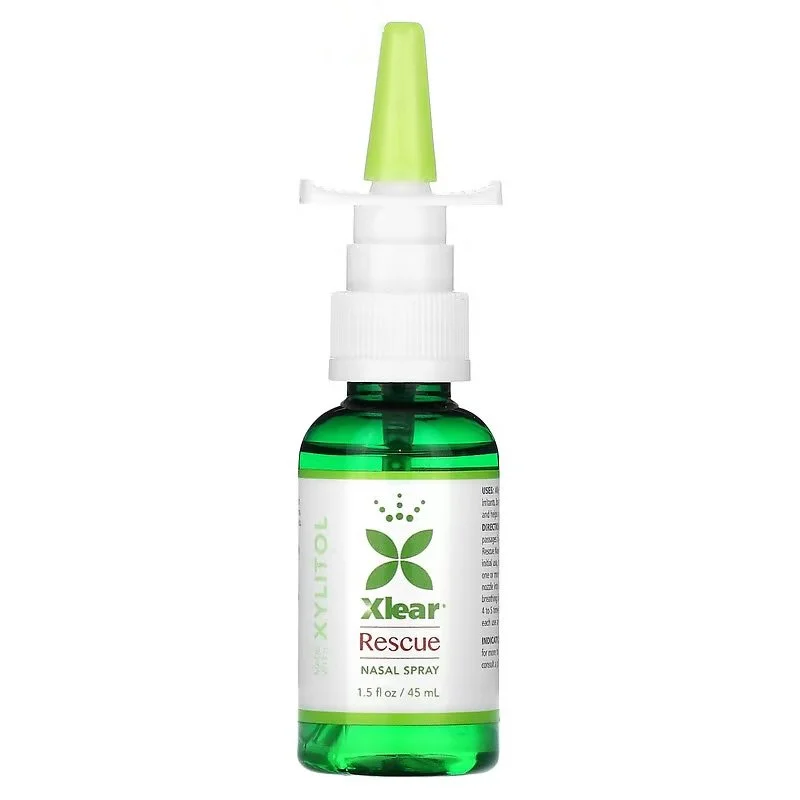
Xlear, Rescue Nasal Spray with Xylitol, Fast Relief
Easy to find in most local health stores.
These help with fungus eradication and biofilm disruption. I typically do not use this if the sinuses are irritated and inflamed.
Step 6: Rebuild the Nasal Microbiome
Once the eradication/biofilm disruption phase is completed, the next step is rebuilding the nasal microbiome.
My favourite tool here is Lactobacillus sakei. Lactobacillus sakei is one of the most promising probiotic species for sinus health. Studies show it is abundant in healthy sinuses but often depleted in chronic sinusitis. When reintroduced, L. sakei can help suppress inflammatory or pathogenic bacteria, support a balanced sinus microbiome, and protect the sinus lining. Early research from animal and preliminary human studies suggests that topical or nasal probiotic applications containing L. sakei may help reduce congestion, recurrent infections, and post-exposure inflammation, although more human trials are still needed.
You can read more about this strain here.
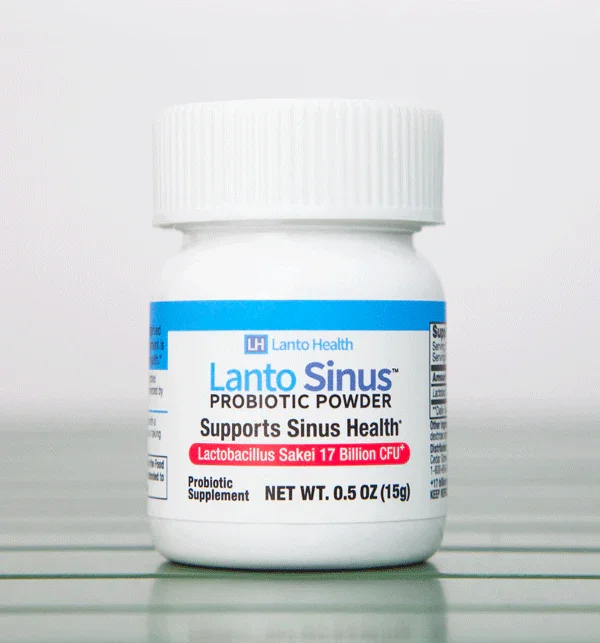
LANTO SINUS
Probiotic that supports sinus health.
Closing Paragraph
Supporting sinus health can make a meaningful difference for people recovering from mold exposure. The steps shared here reflect what I personally use and/ore recommend and what readers ask about the most. Every situation is unique, and there is no one-size-fits-all approach.
The research shows that the sinuses can play a significant role in chronic symptoms linked to mold. Supporting this area while also addressing detox pathways, inflammation, and the environment can make a meaningful impact. Use these steps as a general framework and tailor them with your practitioner based on your own needs.
Disclaimer: This resource is for educational purposes only and does not constitute medical advice. It is recommended to see a doctor if you have any health concerns or are starting a new health regimen. Wellness with Oana is not a doctor and does not diagnose, treat or cure illnesses. Some links in this blog are affiliate links, which means I may earn a small commission if you choose to purchase through them - at no extra cost to you.