The Impact of Mycotoxins on the Intestinal Barrier

What Are Mycotoxins?
Mycotoxins are toxic compounds produced by certain species of mold. These molds can grow on a variety of foods, especially grains, nuts, coffee, and dried fruits, as well as in damp indoor environments.
When ingested, inhaled, or absorbed through the skin, mycotoxins can have a range of harmful effects on human health. One of their key impacts is on the gut.
PMCID: PMC7600953 covers in more detail how Aflatoxins, Ochratoxin A, Deoxynivalenol, Zearalenone, Fumonisin B1 and Citrinin impact the gut.
“The Intestinal Immune System”
MALT (Mucosa-Associated Lymphoid Tissue)
MALT is a network of immune tissue found in all mucosal areas of the body, such as the nose, lungs, throat, and digestive tract. It provides immune protection at mucosal surfaces that are regularly exposed to the outside environment.
GALT (Gut-Associated Lymphoid Tissue)
GALT is a specialized part of MALT located in the digestive tract. It’s one of the body’s largest immune tissues and plays a key role in detecting threats, activating immune responses, and supporting tolerance to food and beneficial microbes.
A large portion of the immune system (some sources say 70-80%) is located in the gut, particularly within gut-associated lymphoid tissue (GALT), where immune cells work in close coordination with the intestinal lining and microbiome to regulate inflammation, detect threats, and maintain immune balance.
The Intestinal Barrier
The intestinal barrier acts as a gate between the outside world and our bodies, protecting us from harmful substances while allowing in what we need, like nutrients and water.
This protective system is made up of multiple interconnected layers that work together to maintain intestinal integrity and prevent unwanted substances from entering circulation. These include:
Physical barrier
Chemical barrier
Immunological barrier
Microbial barrier
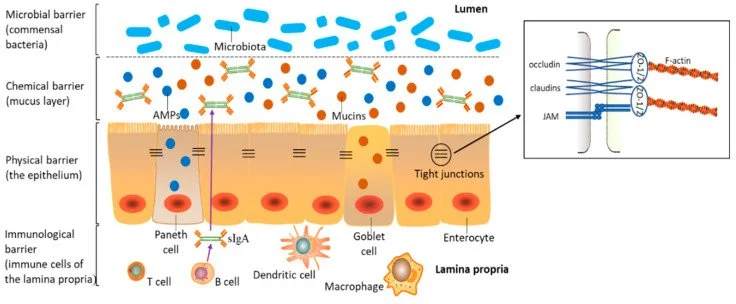
Figure 1: Normal intestinal homeostasis. (Source: PMCID: PMC7600953)
How Mycotoxins Affect the Intestinal Barrier and Gut Microbiome
Mycotoxins can compromise the intestinal barrier in multiple ways.
These toxins have been shown to:
Disrupt tight junction proteins, leading to increased intestinal permeability (“leaky gut”)
Trigger apoptosis (cell death) in intestinal epithelial cells
Alter the balance of gut bacteria by suppressing beneficial (commensal) species and promoting the growth of opportunistic microbes
Suppress or overactivate secretory IgA (sIgA), the first line of defense in the mucosal immune system.
Mycotoxins have the ability to damage the integrity of the intestinal barrier, allowing harmful substances, bacteria, and toxins to enter the body more easily, triggering inflammatory and immune responses, and potentially contributing to various health problems. Recognizing the gut as both an immune and detox interface is essential in mold-related recovery.
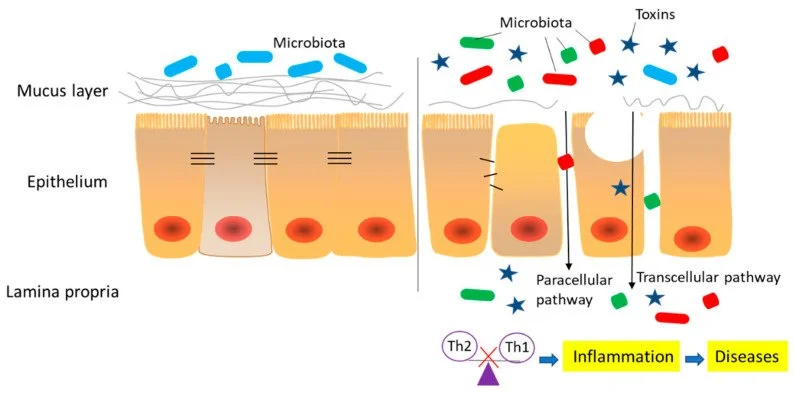
Figure 2: Summary of the negative effects induced by mycotoxins on intestinal barrier. (Source: PMCID: PMC7600953)
Possible Signs of Compromised Intestinal Barrier Function:
Low levels of beneficial bacteria (commensals)
Overgrowth of opportunistic bacteria or presence of pathogens
Leaky gut / intestinal permeability
Very low or very high sIgA on stool testing
Weakened or overactive immune responses
Systemic effects: including autoimmunity, MCAS, mood disorders, neurological symptoms, chronic inflammation and pain, and persistent infections.
Damage to the intestinal barrier can lead to immune system dysregulation and widespread symptoms that go far beyond digestion and gut symptoms.
Conditions Associated with Intestinal Barrier Dysfunction
Dysfunction of the intestinal barrier has been observed in several conditions:
Inflammatory bowel disease (IBD)
Strong evidence shows barrier dysfunction in Crohn’s disease and ulcerative colitis. (PMCID: PMC10798146)Irritable bowel syndrome (IBS)
Some individuals, particularly those with IBS-D, show increased intestinal permeability. (PMCID: PMC7925957)Metabolic conditions
Type 2 diabetes, non-alcoholic fatty liver and others have been linked to changes in intestinal barrier function. (PMCID: PMC10018175)Autoimmune diseases (PMCID: PMC9284064)
Translocation of LPS (lipopolysaccharide). LPS is a component of the outer membrane of gram-negative bacteria that can trigger immune responses and contribute to the development of various diseases when entering systemic circulation. (PMCID: PMC7033038)
Supporting a Healthy Intestinal Barrier
Supporting the intestinal barrier is an important step when addressing mycotoxin exposure and immune dysregulation. While targeted supplements may help, foundational factors such as reducing exposure, lowering toxic burden, managing stress, and supporting nutrition are equally important. Health supplements may provide support, but they are just a piece of the puzzle and they cannot fix the environment.
1. Address Ongoing Exposure
Addressing the environment is the no. 1 priority for intestinal barrier health.
2. Lower Overall Toxic Burden
Mycotoxins are not the only compounds that may affect the intestinal barrier. Other environmental toxins may also contribute to gut and immune dysfunction.
Consider switching to:
Filtered water
Lower-tox laundry detergent
Low-tox dish soap, personal care products, cosmetics, shower gels, etc.
Organic foods as much as possible to avoid pesticides.
3. Stress Management
Stress can affect immune function and intestinal barrier integrity. Chronic stress has been associated with increased intestinal permeability and immune dysregulation.
While stress is not always avoidable, supporting the nervous system may help. Try simple things like:
Gentle movement
Time outdoors
Rest and sleep
Meditating
Breathing exercises
Massage therapy
Acupuncture
Even small improvements may support overall progress.
4. Nutrition
Nutrition plays a key role in supporting intestinal barrier integrity.
Focus on:
Anti-inflammatory whole foods
Adequate protein
Healthy fats
Fiber from tolerated sources (use caution if SIBO is present)
Avoiding processed foods.
Some individuals may benefit from eliminating gluten, particularly if gut barrier disruption is suspected. Research suggests gluten may increase intestinal permeability in certain individuals.
5. Targeted Nutritional Support
Certain nutrients and compounds have been studied for their role in supporting intestinal barrier integrity:
Examples may include:
Colostrum (avoid if dairy sensitive)
Serum-derived bovine immunoglobulins
Probiotics (spore based and certain Lactobacillus and Bifido strains)
Amino acids
Butyrate
Zinc carnosine
Omega-3 fatty acids (especially fish oil & resolvins)
Resveratrol
Curcumin
Quercetin
Herbs like aloe vera, licorice, marshmallow root, okra (use caution with okra if oxalates are an issue)
Support should be individualized based on tolerance and clinical context.
Read PMCID: PMC9862683 for detailed information on various supports.
Get access to thousands of health supplements through my online dispensaries:
Fullscript Canada (15% off)
US Supplement Dispensary (20% off)
Some of My Favourite Supports:
IMMUNOGLOBULINS
How Immunoglobulins May Provide Support
Immunoglobulins (antibodies) help the body identify and remove harmful substances. Immunoglobulin G (IgG), the most abundant antibody, may help bind and clear:
Bacteria
Viruses
Fungi
Toxic by-products
Aflatoxins
Immunoglobulins can be dairy based (found in colostrum) or from bovine serum, making it a suitable alternative to colostrum for those with sensitivities. Immunoglobulins also support gut barrier function, digestion, and detoxification.
These statements have not been evaluated by the Food & Drug Administration (FDA). This product is not intended to diagnose, treat, cure, or prevent any disease.
Options below:
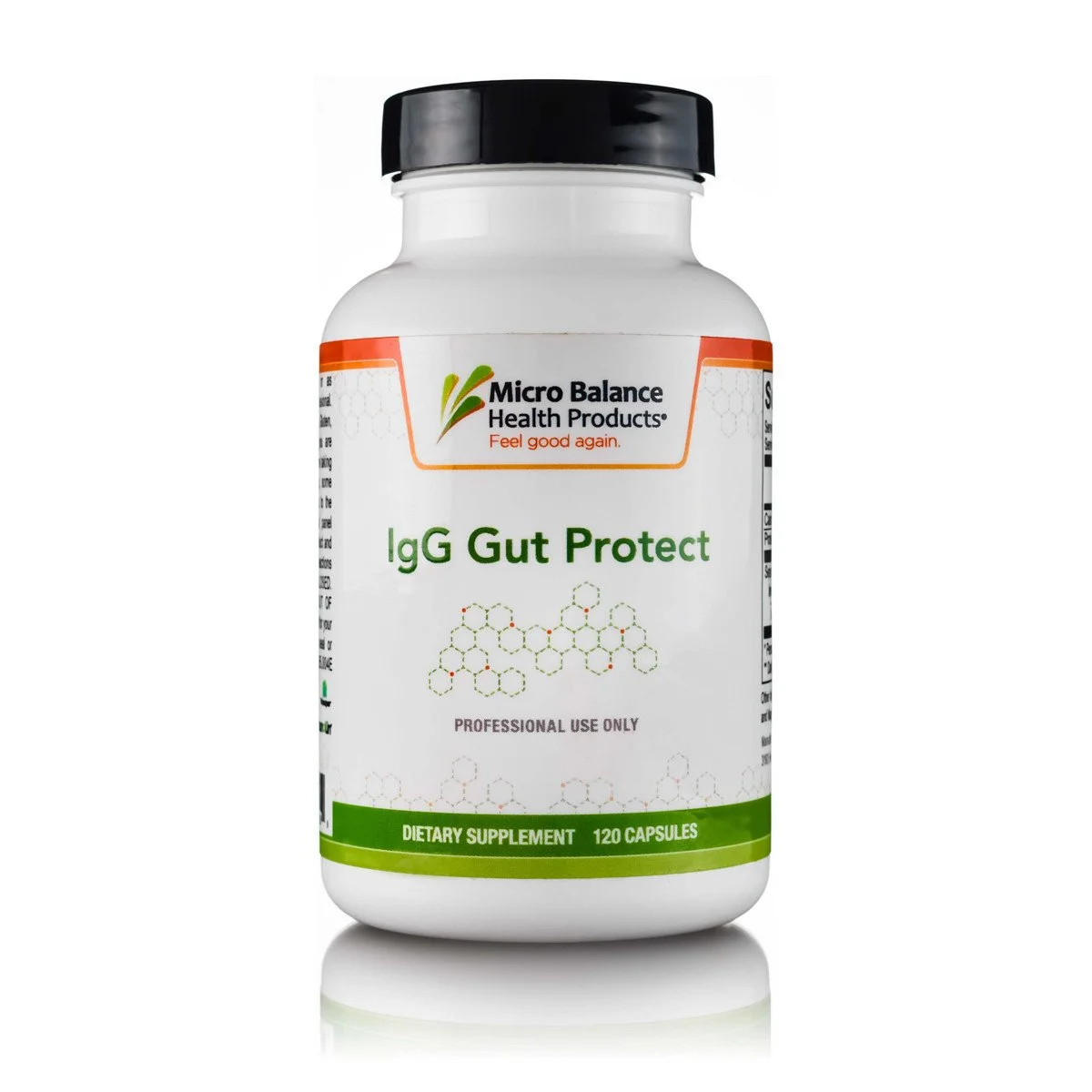
IgG Gut Protect by Microbalance Health Products
(15% off with code BYEMOLD)
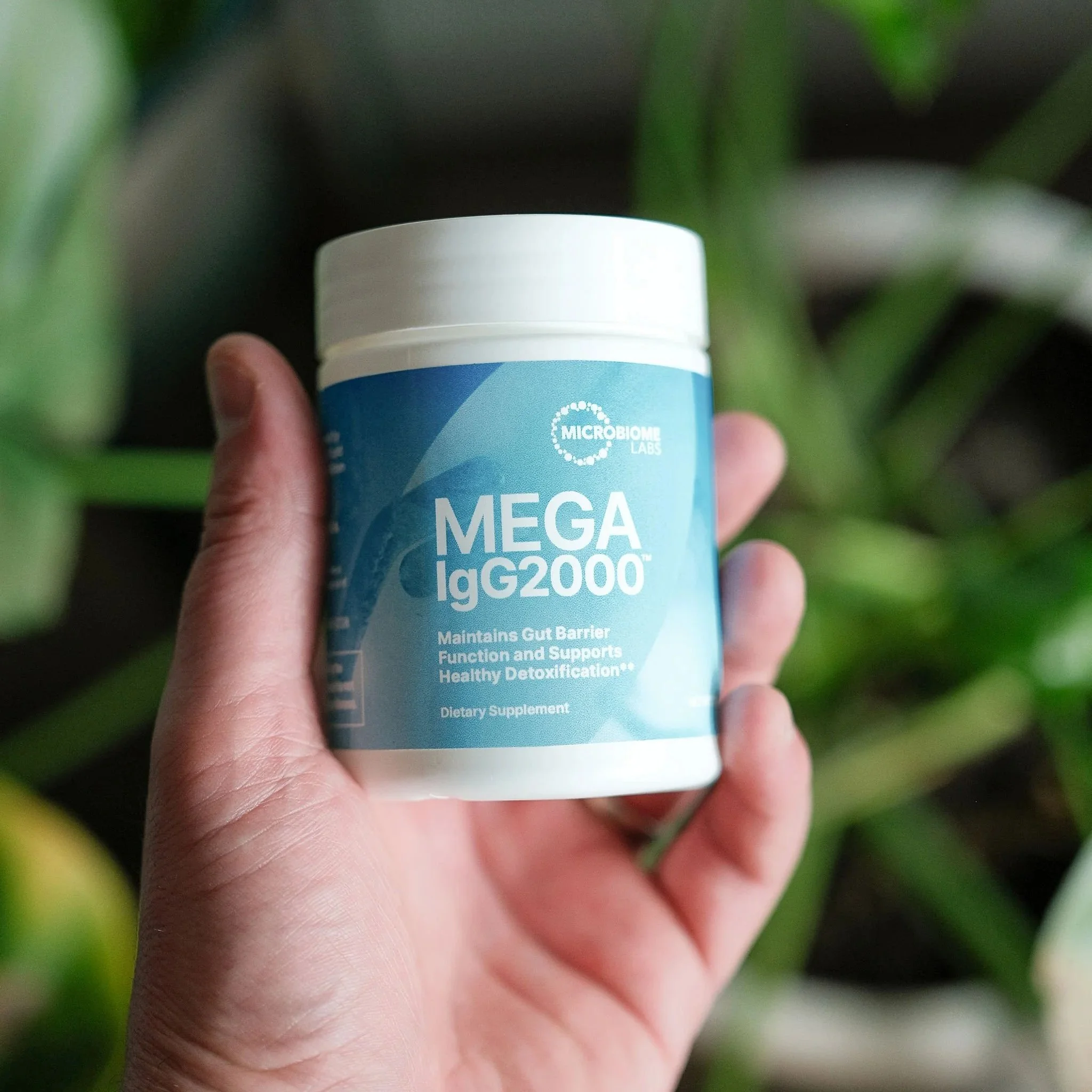
Mega IgG by Microbiome Labs
20% off. International shipping available.

Other options:
Fullscript Canada(15% off) (Colostrum is available in Canada, while serum derived immunoglobulins are usually purchased from the US).
PROBIOTICS
There is a lot of research supporting probiotic use for a healthy intestinal lining. Lactobacillus and Bifidobacterium species, as well as spore based probiotics may be helpful.
Read more here: PMID: 39602817, https://doi.org/10.3390/ijms262211148 .
These statements have not been evaluated by the Food & Drug Administration (FDA). This product is not intended to diagnose, treat, cure, or prevent any disease.
Options below:
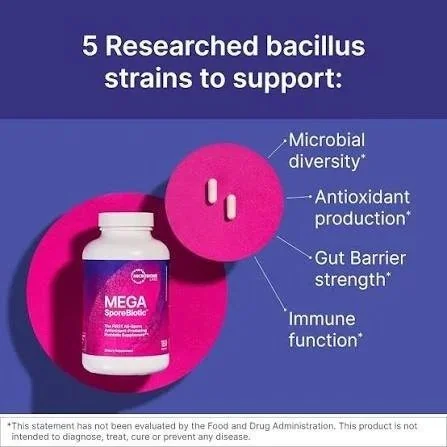
MegaSpore by Microbiome Labs
MegaSpore includes spore based strains that support gut barrier integrity and it’s a product commonly used in mold and gut protocols.
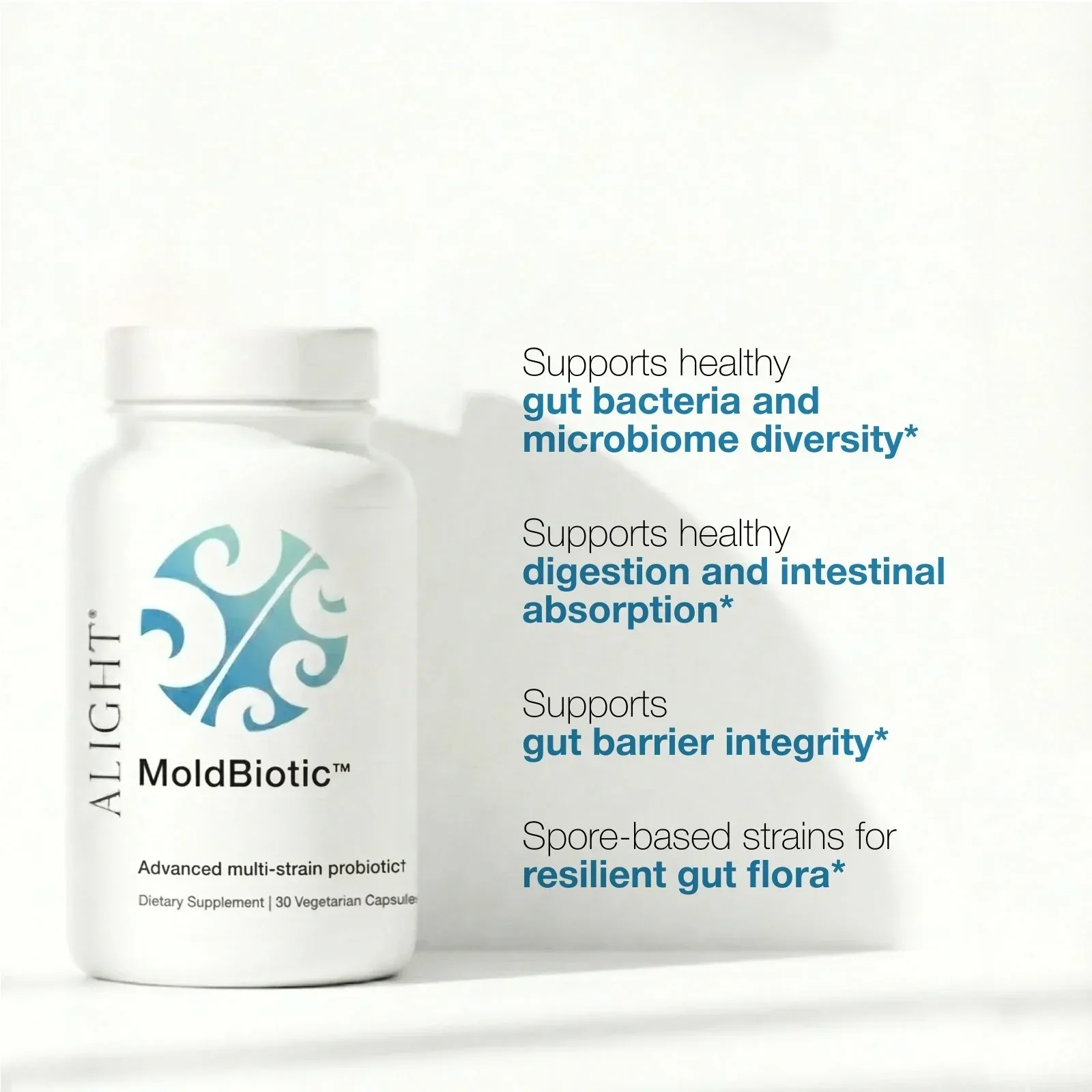
MoldBiotic™ by Alight Health Formulas
Combines spore based strains with Lactobacillus strains to maintain a resilient gut flora and support gut barrier integrity. (US only)
Get access to many other probiotics through my online dispensaries:
Fullscript Canada (15% off)
US Supplement Dispensary (20% off)
OMEGA 3 FISH-OIL AND RESOLVINS
Omega-3 fatty acids like EPA and DHA support gut health, immune balance, and help regulate inflammation. These omega-3s are also precursors to specialized pro-resolving mediators (SPMs), including resolvins, which play a key role in resolving inflammation and supporting intestinal epithelial repair.
These statements have not been evaluated by the Food & Drug Administration (FDA). This product is not intended to diagnose, treat, cure, or prevent any disease.
Options below:
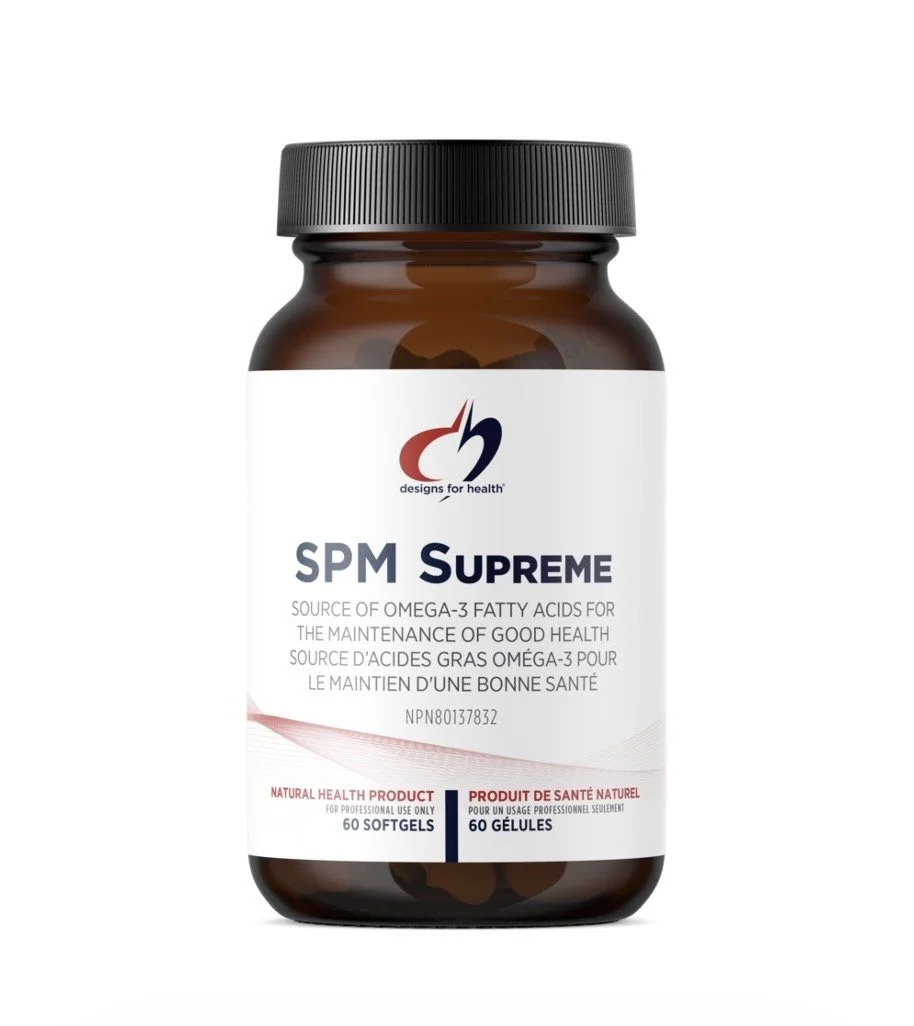
Resolvins- SPM by Designs for Health
US Supplement Dispensary (20% off)
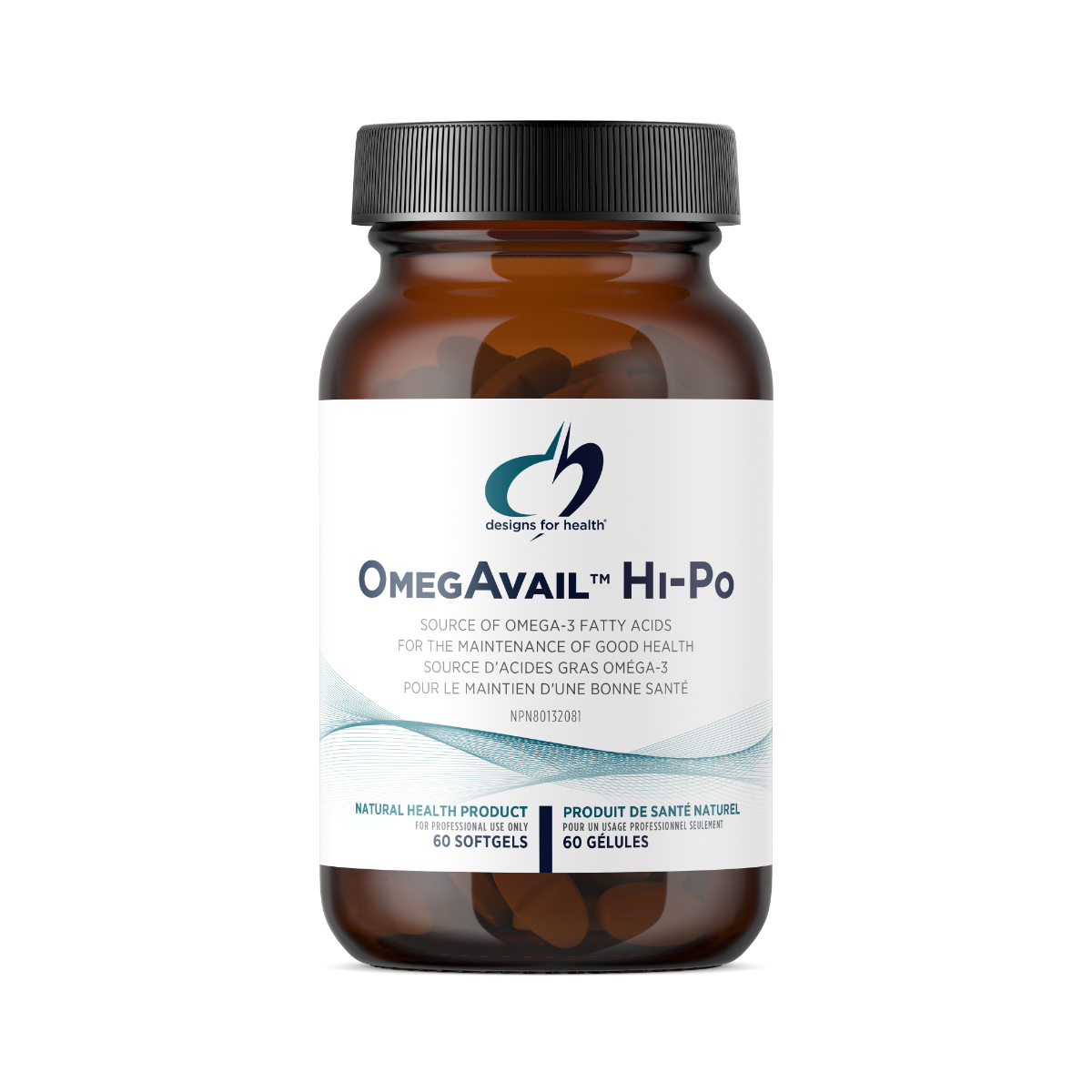
OmegAvail™ Hi-Po from Designs for Health
US Supplement Dispensary (20% off)
Supporting the intestinal barrier is often not about a single intervention, but rather a combination of reducing exposure to toxins, supporting immune function, and providing targeted nutritional support.
Thank you for reading my blog!
Disclaimer
This resource is for educational purposes only and does not constitute medical advice. I am sharing my favourite supports, but this does not mean they work for everyone. It is recommended to see a doctor if you have any health concerns or are starting a new health regimen. Wellness with Oana is not a doctor and does not diagnose, treat or cure illnesses. This content has not been sponsored by any company. This blog contains affiliate links, which means I may earn a small commission if you choose to purchase through them - at no extra cost to you.
© 2026 Wellness with Oana. All rights reserved. Please do not copy or reproduce without permission.