POTS Strategies I Actually Find Helpful

This is a long one! :)
I’ve basically turned a guide into a blog. This is not a comprehensive list, but it covers some of my favourite topics.
What is Covered in This Blog:
Disclaimer & Links
My POTS Journey
What is POTS & Symptoms
Types of POTS
Nutrition Strategies
Lifestyle Strategies
Common Symptoms & Favourite Supports
Research Links
Disclaimer
This resource is for educational purposes only and does not constitute medical advice. I am sharing my favourite supports, but this does not mean they work for everyone. It is recommended to see a doctor if you have any health concerns or are starting a new health regimen. Wellness with Oana is not a doctor and does not diagnose, treat or cure illnesses. This blog contains affiliate links, which means I may earn a small commission if you choose to purchase through them - at no extra cost to you.
Your support through these links allows me to continue creating free educational resources.
Links:
HEALTH SUPPLEMENTS:
Fullscript Canada (15% off)
US Supplement Dispensary (20% off)
FUNCTIONAL LABS:
My POTS Journey
From POTS patient to POTS Practitioner/Coach.
I know what POTS feels like…. because I have been through it.
I strongly believe that toxic mold exposure can trigger POTS or make symptoms worse. I experienced this myself, and I have witnessed this in many cases.
Unfortunately, we do not currently have research specifically on this topic. Hopefully one day we will.

Years ago, POTS turned my life upside down.

I started healing after learning how to manage it and addressing MCAS, mold toxicity and gut issues.
I’ve made it my goal to raise awareness about POTS and help others find relief.
What is POTS?
Postural Orthostatic Tachycardia Syndrome (POTS) is a form of dysautonomia, meaning the autonomic nervous system has difficulty regulating blood flow and heart rate, especially when moving from lying to standing. This can lead to symptoms like rapid heartbeat when standing, dizziness, headaches, lightheadedness, fatigue, nausea, brain fog, slow digestion, trouble regulating body temperature, shortness of breath and exercise intolerance.
The hallmark of POTS is an increase in heart rate of at least 30 beats per minute within 10 minutes of standing (or 40 bpm in teens).
Root Cause(s)
The causes vary from person to person, common contributing factors include: nervous system dysregulation, immune dysfunction, autoimmunity, mast cell activation, low blood volume, neuroinflammation, and more.
At the root at these contributing factors might be genetic predisposition, viral and bacterial infections such as Covid, Epstein-Barr Virus, Lyme disease & co-infections, gut issues, and environmental toxicities.
We are all different and have different root causes. Functional labs are great for uncovering root causes, but I recommend working with someone 1:1. If you cannot work with someone 1:1, below are links for self-ordering functional labs:
Types of POTS
Here are the commonly described types of POTS:
Neuropathic POTS
This type is associated with partial dysfunction or damage of the small autonomic nerve fibers that help regulate blood vessel constriction. Because the vessels in the lower body do not tighten properly when standing, blood pools in the legs and the heart compensates by beating faster.
Hyperadrenergic POTS
This form involves excessive release of norepinephrine (adrenaline) when standing, leading to symptoms like tremor, anxiety, sweating, palpitations, and a rise in blood pressure along with the increase in heart rate.
Hypovolemic POTS
People with this type have a lower-than-normal blood volume, which causes reduced blood return to the heart when upright. The body responds with an exaggerated heart rate increase to maintain circulation.
Autoimmune or Immune-Related POTS
Some individuals develop POTS after infections, immune activation, or conditions involving autoantibodies. This type is associated with immune system involvement and may overlap with other autoimmune disorders.
Nutrition Strategies
Nutrition plays an important role in POTS. The goal is to keep blood sugar stable, maintain electrolyte balance, and provide steady energy without large fluctuations in heart rate or fatigue.
Focus on Blood Sugar Stability
Fluctuating blood sugar can trigger adrenaline release and worsen lightheadedness or rapid heart rate. Build meals around high quality protein, healthy fats, and fiber to prevent spikes and crashes. Include a protein rich breakfast within an hour of waking to help regulate cortisol and blood sugar for the rest of the day.
Prioritize Hydration and Electrolytes
Many people with POTS experience low blood volume, which contributes to dizziness and fatigue. Aim for steady hydration throughout the day, not large amounts all at once. Use electrolytes that contain sodium, potassium, and magnesium to help the body stay hydrated at a cellular level.
Choose Easy-to-Digest Whole Foods
Many people with POTS experience digestive sluggishness due to reduced blood flow to the gut, slow motility, sluggish digestion and gut imbalances. Focus on simple, cooked meals made with whole foods like vegetables, lean proteins, and healthy fats. Avoid eating large meals or lying down immediately after eating.
Consider a Low Histamine Diet
Many individuals with POTS experience histamine intolerance or mast cell activation, which can contribute to symptoms like flushing, dizziness, fatigue, or rapid heart rate. A low histamine diet can be helpful in reducing these reactions.
This involves limiting foods that are highly processed, aged, fermented, or stored for long periods of time, such as cured meats, vinegars, pickled foods, yogurt, certain cheeses, ultra-processed snacks or pre-packaged foods, and leftovers. These foods are the highest in histamine and excluding these foods may bring relief without going on a strict low histamine diet.
While everyone’s tolerance is unique, many find relief from avoiding high histamine foods, and this has been true in my own experience as well.
Lifestyle Changes
Making gradual, consistent lifestyle changes can have a noticeable impact on how the body manages blood flow, energy, and recovery with POTS. These are foundational tools that help the nervous system and cardiovascular system work more efficiently.
Add Compression Support
Compression garments can reduce blood pooling in the legs and help support venous return to the heart. Waist-high or thigh-high options tend to be most effective. They can be especially helpful in the morning or on days when you’ll be standing or sitting for long periods.
Incorporate Gentle, Consistent Movement
Exercise can be challenging with POTS, but gradual reconditioning helps improve circulation and strengthen the muscles that assist with blood flow. Start with recumbent or seated exercises and slowly build tolerance to upright positions. Consistency matters more than intensity.
Focus on Quality Sleep and Recovery
Poor sleep can worsen fatigue and autonomic instability. Create a calm evening routine, limit screens before bed, and aim for consistent sleep and wake times. Quality rest supports cortisol regulation, hormone balance, and the body’s ability to adapt to stress.
Support the Nervous System
The autonomic nervous system thrives on safety and predictability. Simple grounding techniques, diaphragmatic breathing, and slow morning routines can help reduce adrenaline surges that worsen symptoms. Gentle sunlight exposure and time outdoors also support circadian rhythm and vagal tone.
Common Symptoms & Favourite Supports:
(Not everyone experiences all of these, and supports vary person to person.)
Dehydration & Low Blood Volume
In POTS, the goal is to increase blood volume and maintain cellular hydration. Electrolytes don’t just hydrate you, they help your cells communicate. Sodium pulls fluid into the bloodstream, potassium keeps it inside the cells, and magnesium keeps both in rhythm.
When sodium intake is too high without enough potassium or magnesium to balance it, it can actually pull water out of your cells, leading to cellular dehydration even if blood volume looks normal. The goal is balance, not just more salt. I personally find balanced electrolytes to work better than salt alone, but everyone is different.
Also, some individuals with POTS are sensitive to citric acid, which is added in many electrolyte powders.
Some examples of electrolytes are:
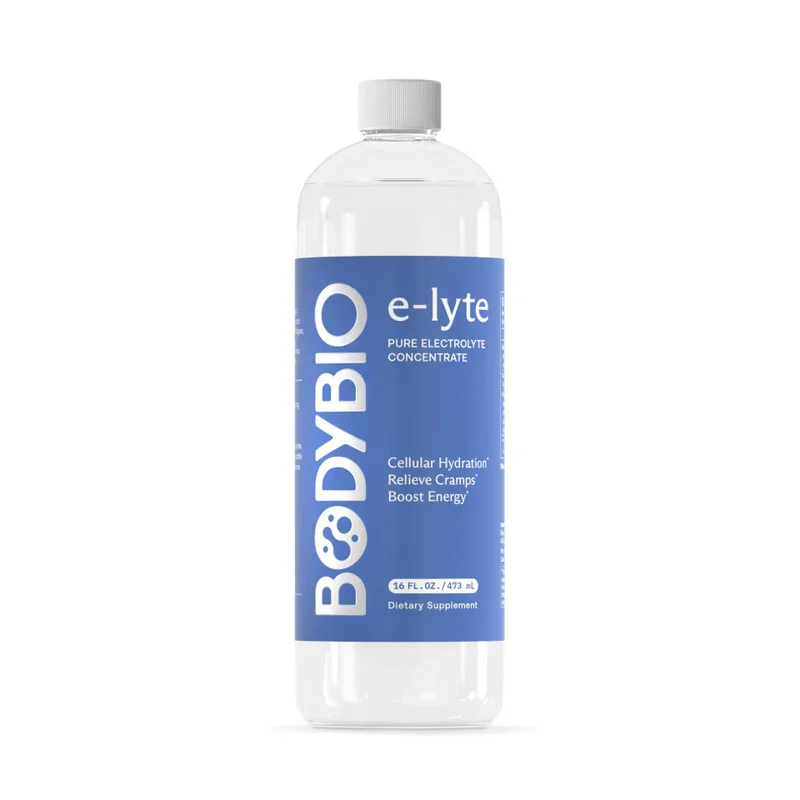
E-Lyte by BodyBio.
Pure electrolytes. Great for sensitive individuals.
USA: SHOP BODYBIO HERE (20% off on supplements)
International: SHOP BODYBIO (15% off on your first order)
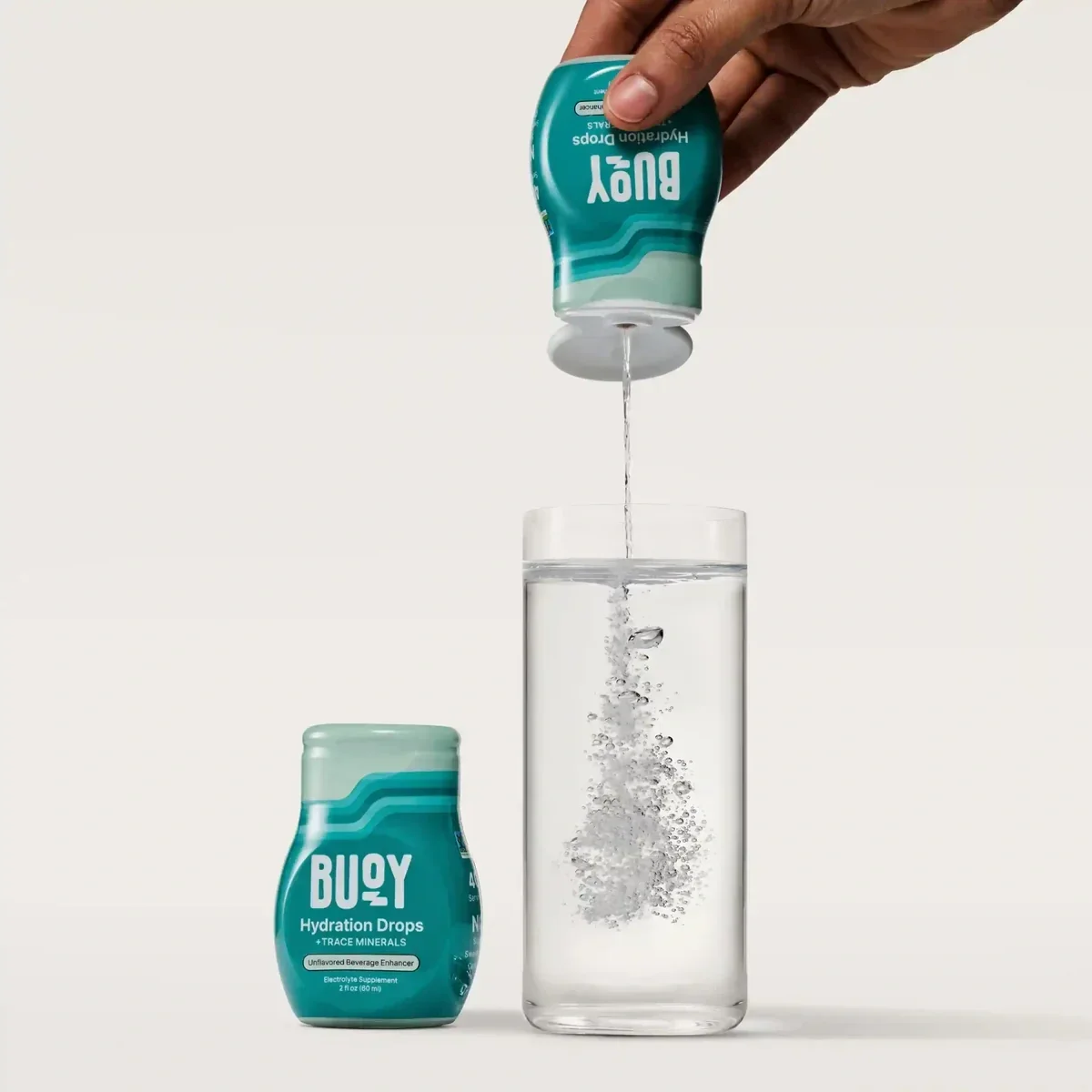
Buoy Hydration Drops
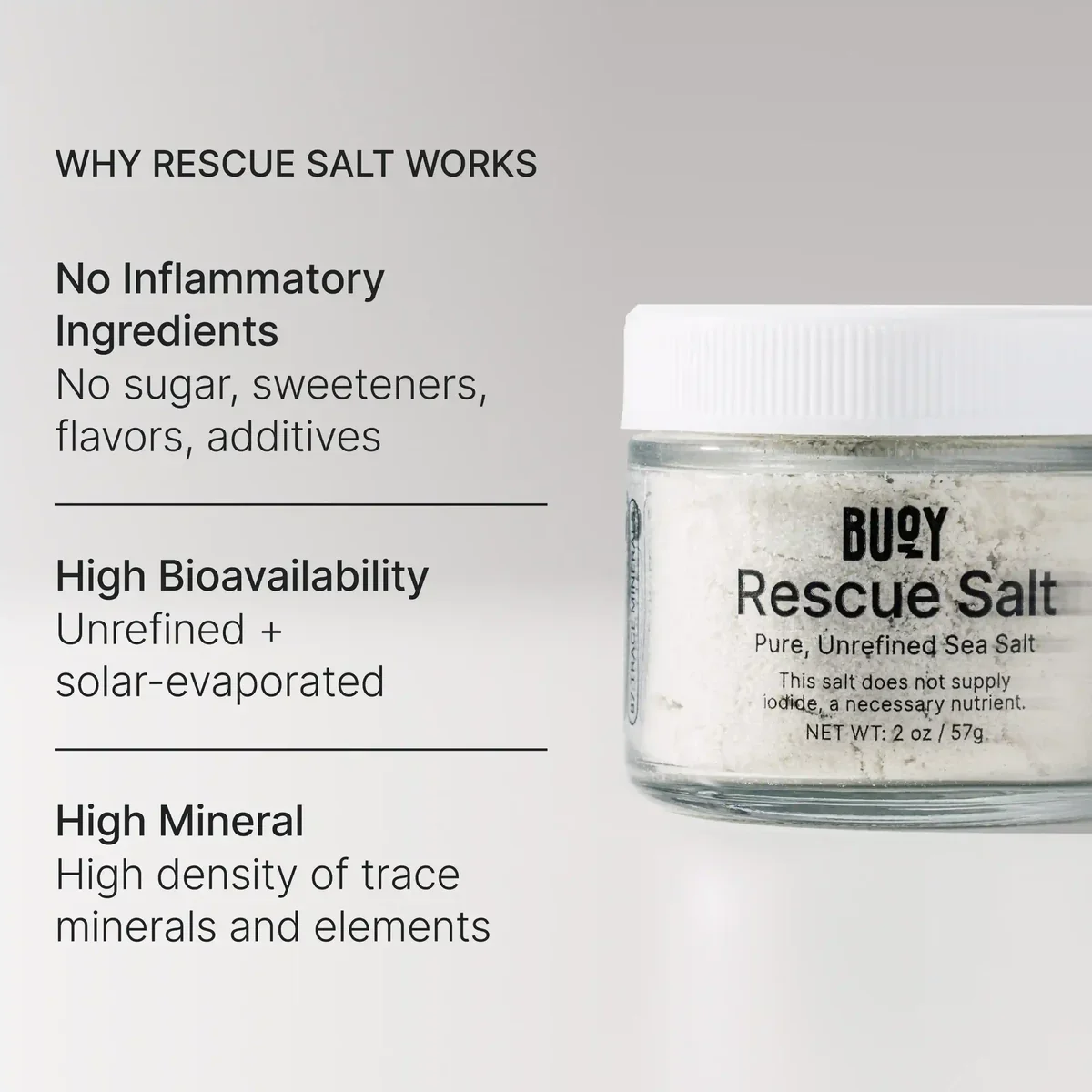
Buoy Rescue Salt
Looking for more options for electroloytes?
Get access to many other options through my online dispensaries:
Fullscript Canada (15% off)
US Supplement Dispensary (20% off)
Vagus Nerve
The vagus nerve, also known as cranial nerve ten, is the main pathway of the parasympathetic nervous system, which controls the “rest, digest, and restore” functions of the body. It influences digestion, heart rate, breathing, inflammation, and the communication between the gut and the brain.
Supporting vagus nerve function, often called improving vagal tone, can be especially helpful for people managing dysautonomia, digestive challenges, anxiety, stress, or POTS.
Non-supplement strategies to support the vagus nerve
Before using supplements, it is important to build strong foundations with lifestyle habits that naturally support the vagus nerve.
Breathwork: Slow, deep, diaphragmatic breathing helps stimulate the vagus nerve and encourages relaxation.
Cold exposure generally helps, but I do not find it to be very helpful in those with POTS due to the body’s inability to regulate temperature - in some cases.
Humming, chanting, or gargling: These simple activities gently engage the throat and vocal cords, which are connected to the vagus nerve.
Mind-body practices: Meditation, yoga, mindfulness, and gentle movement help calm the nervous system and improve balance.
Gut health and diet: The vagus nerve links the gut and brain, so supporting digestion and a healthy microbiome also helps vagal tone.
Supplements
Supplements can complement lifestyle practices but should not replace them. Choose products that promote calm, relaxation, and healthy nervous system function. Always select high-quality supplements, check for possible interactions, and consult a healthcare professional before use, especially if you have dysautonomia or heart concerns.
Featured supplement: Vagus Nirvana by Alight Health Formulas
Vagus Nirvana is a liquid herbal blend created to support vagus nerve and parasympathetic function. It contains botanicals such as perilla leaf, sacred lotus leaf, feverfew, and white mulberry, which are traditionally used to calm the nervous system and encourage healthy autonomic balance.
This type of support may be helpful for people who experience stress, racing thoughts, or digestive discomfort and want a gentle, plant-based way to help their nervous system reset.
Use Vagus Nirvana as part of a full support routine that includes hydration and nervous system work. It is not meant to be a standalone solution. Because individual needs vary, it is always best to check with a healthcare professional before starting a new supplement.

Vagus Nirvana by Alight Health Formulas
“Brain Fog” & Poor Blood Flow to the Brain
DO NOT SKIP THIS STEP!
Always see your doctor for imaging and clinical tests to rule out underlying conditions or structural issues that may affect brain function.
In POTS, reduced blood flow to the brain can cause dizziness, fatigue, and brain fog. Other possible cause of brain fog can be: neuroinflammation, MCAS, gut issues, neck issues.
Lifestyle changes that may help with blood flow include:
Movement is no.1
Staying well hydrated
Taking short movement breaks throughout the day
Avoiding long periods of sitting or standing still
Lying down briefly when dizziness or brain fog increases
Taking frequent breaks at work instead of pushing through symptoms
Getting fresh air or spending time outdoors
Massage therapy, acupuncture
Monitor nitric oxide levels
MY TOP HEALTH SUPPLEMENTS FOR BRAIN HEALTH (generally speaking, not FDA approved for POTS)
Citicoline
Citicoline is easily absorbed in the gut and breaks down into choline and cytidine, which can cross into the blood-brain-barrier.
It supports the production of phospholipids- key components of brain tissue that help neurons communicate effectively.
Coffee Fruit Concentrate
It contains unique compounds that help increase levels of brain-derived neurotrophic factor (BDNF), which supports learning, memory, and the growth of new brain cells. It’s naturally low in caffeine- less than a cup of decaf coffee.
Acetyl-L-Carnitine
Acetyl-L-Carnitine is made naturally in the body and found in small amounts in meat and dairy. It crosses into the brain to support mitochondrial energy, make acetylcholine for focus and memory, and help protect brain cells as we age.
Phosphatidylserine
Phosphatidylserine is a natural part of brain cell membranes that helps brain cells send and receive signals.
It supports memory, focus, and communication between neurons and may help balance cortisol levels, protecting the brain from long-term stress.
Gingko Biloba
Over 500 studies have shown Ginkgo biloba’s benefits for brain health.
It may help improve blood flow and oxygen delivery to the brain, supports memory and focus, balances stress-related hormones, and protects brain cells from damage caused by aging and stress.
High DHA Fish Oil
High DHA fish oil provides essential omega-3 fats that support brain structure and function.
DHA makes up a large part of brain cell membranes, helping them stay flexible and communicate properly. It also helps reduce inflammation, supports mood and focus, and promotes overall brain and nervous system health.
Magnesium L-Threonate
Magnesium L-Threonate is a unique form of magnesium shown to cross the blood-brain barrier more effectively than other types.
It helps support learning, memory, and overall cognitive function by maintaining healthy connections between brain cells. It can also promote calmness, focus, and better sleep quality.
Other helpful supports for brain health include probiotics, curcumin, B vitamins, minerals, Huperzine A, and CoQ10. These work in different ways to support memory, focus, mood, and overall brain function.
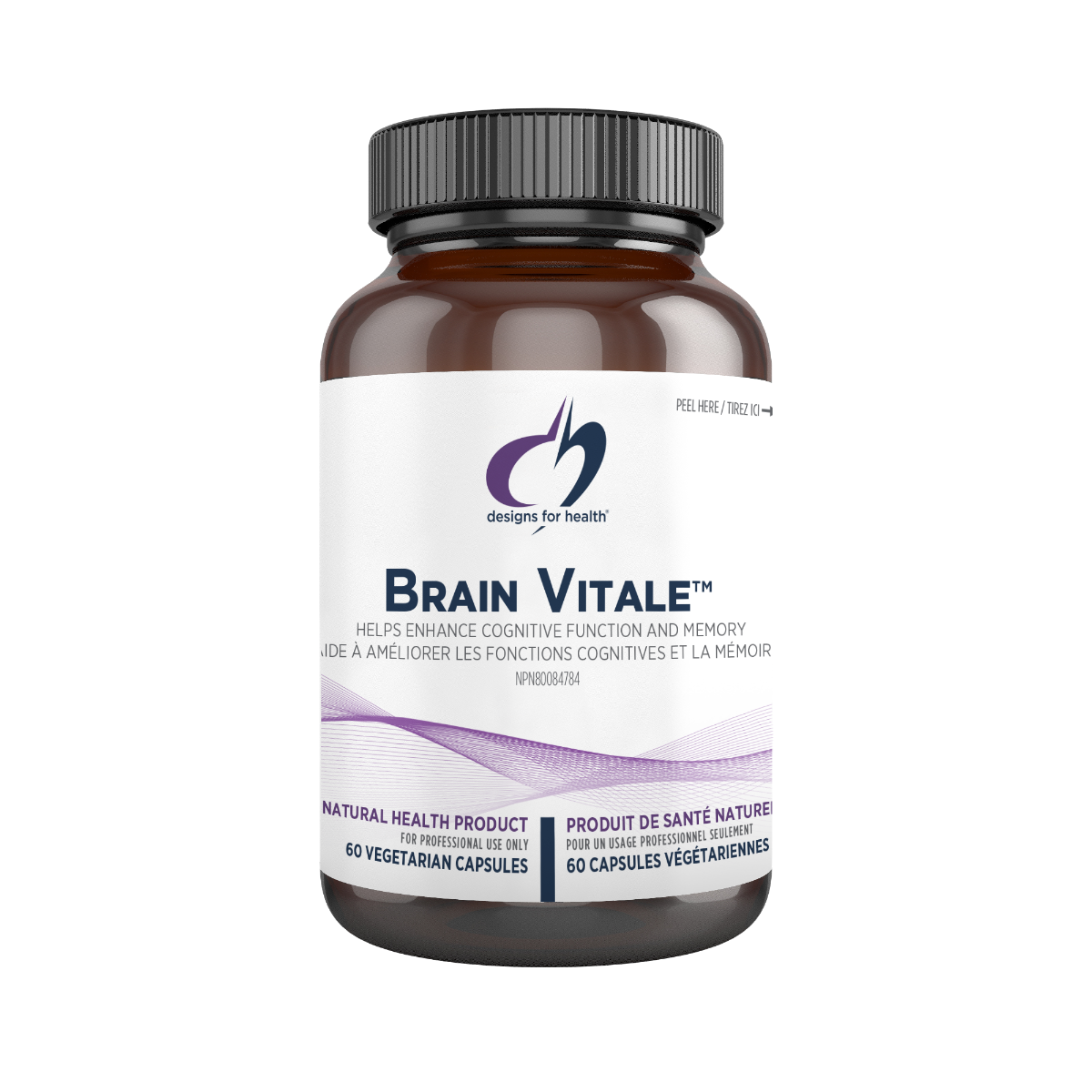
My Favourite Brain Health & Memory Support Supplement
This is my top choice health supplement for brain health and mental clarity and is available in my online supplement dispensaries in Canada and the US.
Fullscript Canada (15% off)
US Supplement Dispensary (20% off)
Immune Health, Inflammation, MCAS:
Inflammation is the body’s natural defense mechanism. It helps us heal and fight infections. Problems arise when that response becomes excessive or isn’t properly resolved. This can affect blood flow, energy, and how well the nervous system functions in people with POTS.
Research suggests that neuroinflammation and oxidative stress may influence autonomic function. When inflammatory signals affect the nerves that control heart rate and blood vessel tone, symptoms like dizziness, fatigue, and brain fog can become more noticeable.
Another piece of this puzzle is mast cell activation, often referred to as MCAS. Mast cells are immune cells that release histamine and other compounds when triggered. In some people, these cells can become overly reactive to things like mold, toxins, gut issues, infections - viral and bacterial, stress, heat, exercise, or certain foods. Studies have shown that mast cell activation can overlap with or contribute to POTS and other forms of dysautonomia.
Unresolved inflammation and immune activation over time may:
Impact blood vessel function and circulation
Affect gut barrier integrity
Increase risk of autoimmunity
Reduce mitochondrial energy production
Ways to support a balanced inflammatory response:
Include whole foods. Avoid processed foods and gluten.
Limit exposure to environmental triggers such as mold, chemicals, and processed foods.
Support gut and liver function with fiber (use caution if SIBO is present), antioxidants, and healthy bile flow.
Consider natural mast cell stabilizers like luteolin, quercetin, aloe vera, vitamins C.
DAO enzymes to break down histamine in the gut.
Consider mucosal barrier support with immunoglobulins, probiotics and nutrients.
Focus on consistent sleep, sunlight exposure, stress management, and gentle movement.
Get access to thousands of health supplements through my online dispensaries in Canada and the US:
Fullscript Canada (15% off)
US Supplement Dispensary (20% off)
Sluggish digestion will be covered in a future blog post.
Research Links:
Effects of Mycotoxins on Neuropsychiatric Symptoms and Immune Processes.