MOLD TOXICITY GUIDE
What is Covered in This Guide:
What is Mold Toxicity?
Common Signs & Symptoms
Different Approaches
The Approach I Align With
Mold Avoidance & Remediation Come First
Nutrition & Lifestyle
Testing The Body
Testing The Building
Favourite Products (Dr Jill Crista’s Mycotoxin Guides & Additional Supports)
Books I Recommend Reading
Other Resources
What Is Mold Toxicity?
Mold toxicity is a term commonly used to describe symptoms that may develop following exposure to toxic mold, particularly in damp or water-damaged environments.
Mold is a type of fungus that naturally exists in the environment. While mold itself is common, problems can arise when certain types grow indoors due to excess moisture, leaks, flooding, or water damage. Exposure can occur through breathing in mold spores and fragments, skin contact, or, in some cases, exposure to compounds produced by mold.
Mold & Mycotoxins
Mold is a fungus that grows in environments where moisture is present. Indoors, it may grow on materials such as drywall, wood, insulation, carpet, and other building materials following water damage or prolonged humidity.
Mycotoxins are naturally occurring compounds produced by certain species of toxic mold under certain conditions. Not all molds produce mycotoxins.

Common Signs & Symptoms:
Respiratory & Sinus
Nasal congestion, runny nose, sneezing, sinus pressure, post-nasal drip, sore or irritated throat, coughing, wheezing, chest tightness, shortness of breath, worsening asthma symptoms.
Neurological & Cognitive
Headaches, brain fog, difficulty concentrating, memory problems, dizziness, lightheadedness, feeling mentally slowed or unfocused, sensitivity to light or sound, POTS symptoms.
Fatigue & Sleep
Persistent fatigue, low energy, reduced stamina, feeling unusually exhausted, difficulty falling asleep, frequent waking, unrefreshing sleep, daytime sleepiness.
Eyes, Skin & Allergic
Itchy or watery eyes, red or irritated eyes, itchy skin, rashes, hives, increased allergy symptoms, irritation that develops or worsens in certain environments.
Digestive
Nausea, bloating, abdominal discomfort, changes in bowel habits, slow gut motility, reduced appetite.
Muscle & Joint
Muscle aches, joint pain or discomfort, stiffness, muscle weakness, general body aches.
General & Systemic
Feeling generally unwell, weakness, increased sensitivity to smells or chemicals, symptoms that worsen in certain buildings or environments and improve after leaving.
Immune & Inflammatory
Immune dysregulation, increased inflammatory responses, heightened immune reactivity, loss or disruption of mucosal barrier integrity, increased intestinal permeability, worsening of existing inflammatory symptoms, autoimmune activation or exacerbation of existing autoimmune conditions.


Keep in mind:
Many of these symptoms are not specific to mold and can occur with a wide range of health conditions. Experiencing one or more of these symptoms does not necessarily mean mold exposure is the cause, but ruling out mold is recommended.

Different Approaches
CIRS, Mold Colonization, Mold Toxicity
If you've spent any time researching mold toxicity, you've probably come across different approaches to testing and treatment. Two terms you'll often see are CIRS (Chronic Inflammatory Response Syndrome) and mold toxicity. While they overlap, they are not exactly the same framework.
Dr. Ritchie Shoemaker's CIRS approach focuses on the chronic inflammatory response that may develop in susceptible individuals following exposure to biotoxins, including those associated with water-damaged buildings. The Shoemaker Protocol uses specific diagnostic criteria, laboratory markers, and a structured, step-by-step treatment protocol. This has to be done under the strict supervision of a Shoemaker trained doctor, which many countries do not have access to. Also, individuals with MCAS might need a slower approach.
Other practitioners approach mold toxicity more directly through the lens of mold and mycotoxin exposure. Dr. Andrew Campbell, for example, places greater emphasis on mycotoxins and incorporates prescription antifungal medications, particularly itraconazole, into his treatment approach. His work also emphasizes testing for immune responses to mycotoxins.
Dr. Jill Crista and Dr. Neil Nathan take broader, integrative approaches. While their methods are not identical, both recognize that mold toxicity can be complex and that treatment needs to be individualized. Their work incorporates strategies such as reducing exposure, binders, nutrition, targeted nutrients, botanicals, gut and microbiome support, detoxification and elimination support, and addressing factors that may interfere with recovery. Dr. Nathan's work places particular emphasis on highly sensitive individuals and overlapping issues such as mast cell activation and nervous system or limbic dysfunction.
The Approach I Align With
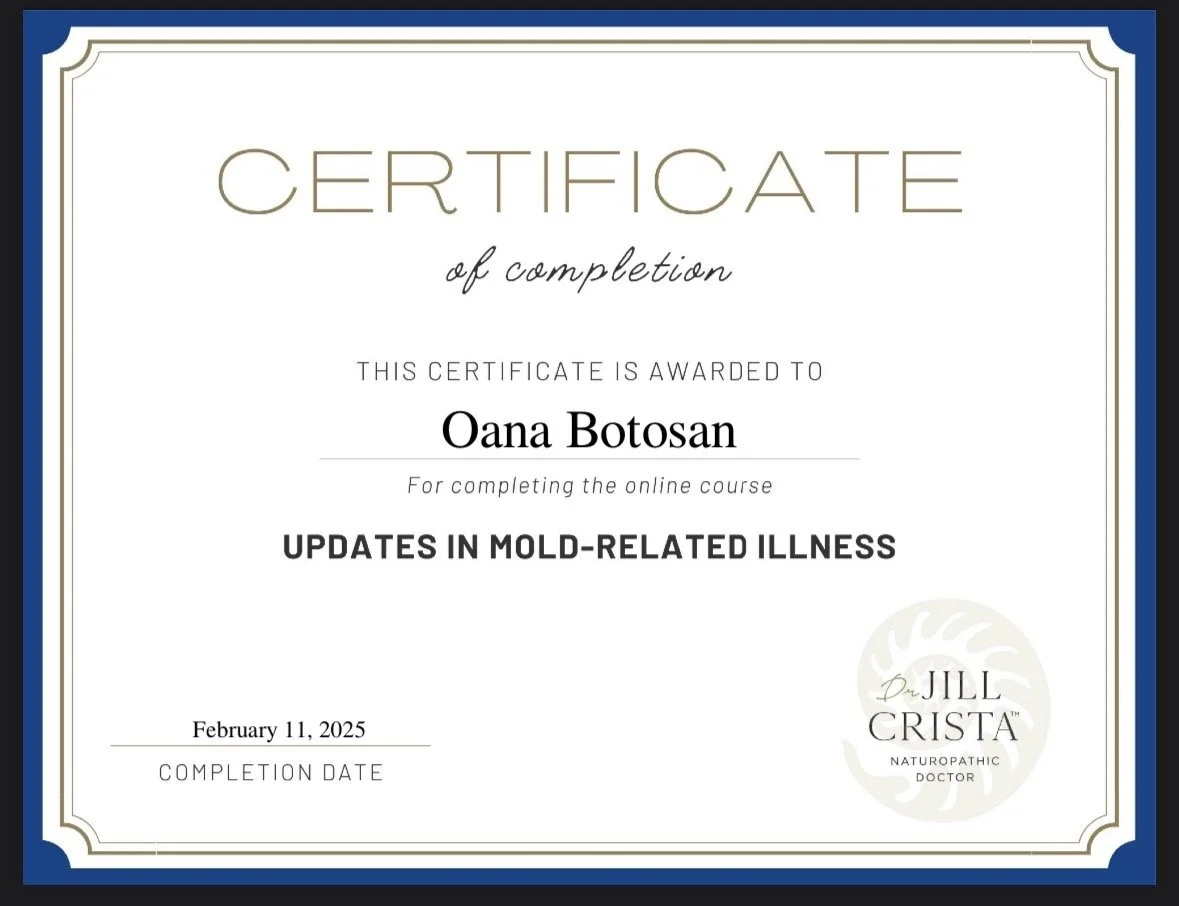
My own approach most closely aligns with Dr. Jill Crista and Dr. Neil Nathan. I have completed Dr. Crista’s courses, and her work has played an important role in my own healing journey, my work with clients and how I approach mold toxicity. I’ve healed from mold toxicity naturally.
Dr. Jill Crista and Dr. Neil Nathan believe strongly in supporting the body naturally through nutrition, targeted nutrients, botanicals, gut and microbiome support, reducing exposure, and supporting the body's natural detoxification and elimination pathways. But they also don't believe that natural and conventional medicine have to exist in separate camps.
They acknowledge that there are situations where prescription medications can be incredibly valuable in addition to natural remedies.

Mold Avoidance & Remediation Come First
Before focusing on supplements, binders or detoxification, it's important to address ongoing mold exposure. If you're continuing to spend time in a water-damaged or mold-contaminated environment, it can be much more difficult to make progress.
This may mean identifying and correcting sources of moisture, properly remediating affected areas or, in some situations, leaving an environment that cannot be safely remediated.
The focus is on reducing significant or ongoing exposure from water-damaged indoor environments and creating a healthier space for recovery.
However, if remediation is not possible yet, you can still follow the steps below to protect your body.
Nutrition & Lifestyle
Nutrition During Mold Recovery
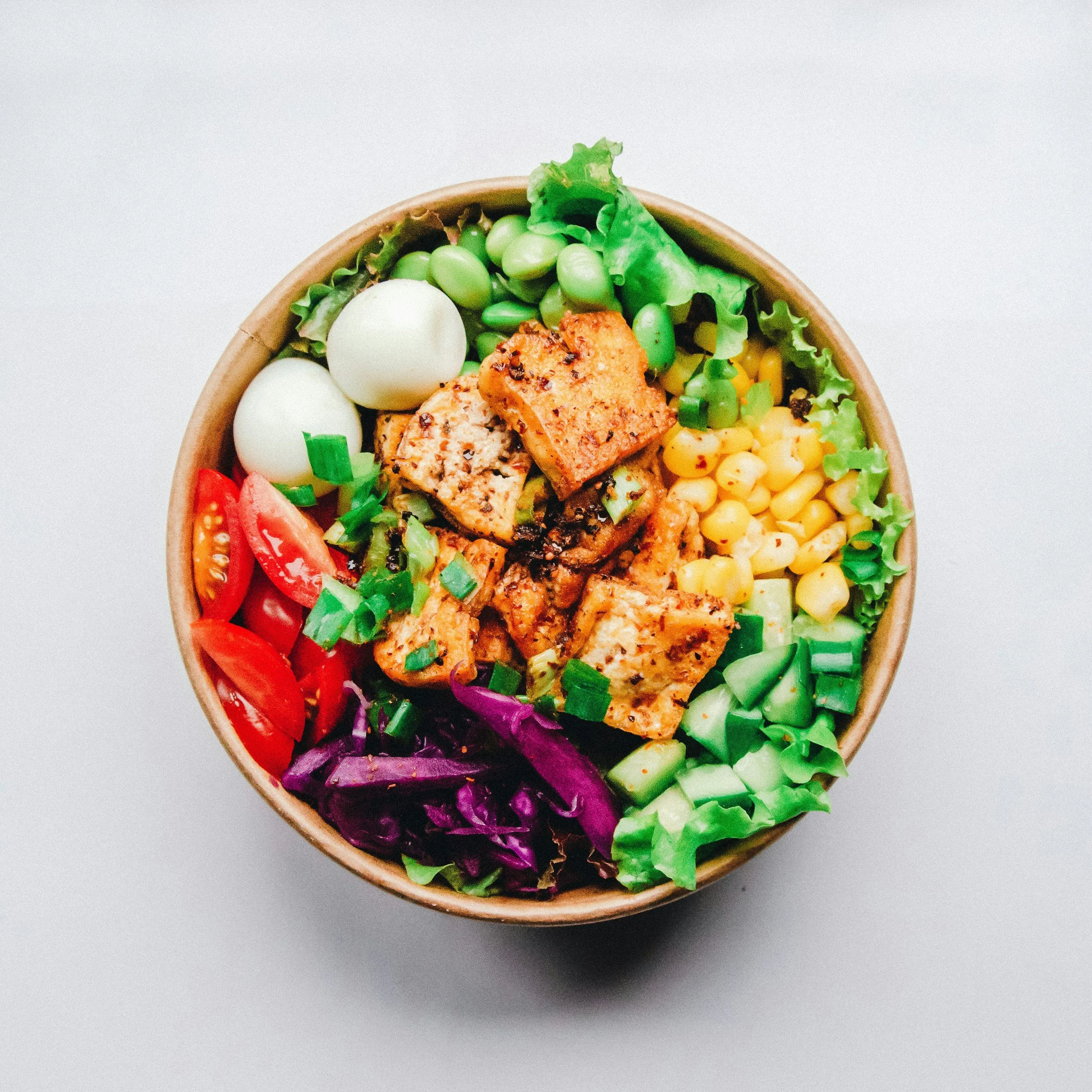
Nutrition can play a supportive role during mold recovery by providing the nutrients needed for antioxidant defenses, detoxification and elimination, immune function and gut health. Focus on plenty of colorful whole foods, quality protein, healthy fats, fiber and adequate hydration.
Foods to Consider Limiting
Certain foods are more susceptible to mold growth and mycotoxin contamination. These can include corn, peanuts, certain grains and cereals, dried fruit, coffee, cocoa, spices and some nuts and seeds. Proper growing, processing and storage practices make a significant difference, so the presence of a food on this list doesn't mean it always contains harmful levels of mycotoxins.
It may also be helpful to limit highly processed foods, excessive added sugar and alcohol, particularly while focusing on overall metabolic, gut and liver health.
Also switch to coffee tested for mycotoxins. Examples are: VitaCup, Bulletproof, Purity, LifeBoost.
Foods to Include
Prioritize colourful vegetables and fruits, cruciferous vegetables, herbs and spices, quality protein, omega-3-rich foods, healthy fats and fiber rich foods.
The goal isn't to create fear around food or follow an extremely restrictive diet. It's to nourish the body, support healthy elimination and reduce unnecessary exposures while maintaining as much dietary variety as you tolerate.

Nervous System & Lifestyle Support
Recovery isn't only about supplements and detoxification. Supporting the nervous system can be especially important for those who have been dealing with chronic symptoms or have become highly sensitive.
Prioritize restorative sleep, gentle movement, time outdoors, stress reduction and activities that help your body feel calm and regulated. Practices such as breathwork, meditation, gentle yoga or nervous system regulation exercises can be helpful, but they don't need to become another overwhelming protocol. Start slowly, listen to your body and focus on creating consistency rather than doing everything at once.
Testing The Body
There is no single test that can definitively diagnose mold toxicity. Different testing methods look at different pieces of the picture, including inflammation, immune responses, mycotoxin excretion and other changes that may occur alongside mold exposure. Your symptoms and exposure history are also important pieces of the puzzle.
CIRS Blood Testing
CIRS testing uses a collection of blood markers to look for patterns of inflammation and immune, hormonal and neuroendocrine changes. Common markers may include C4a, TGF-β1, MMP-9, MSH, VIP, ADH with osmolality and others. CIRS has many root causes including mycotoxin, Lyme and co-infections, viruses, etc.
Mycotoxin Antibody Blood Testing
Mycotoxin antibody testing, such as testing offered through MyMycoLab, measures IgG and IgE antibodies to specific mycotoxins. Rather than measuring the mycotoxins themselves, this type of test looks at the immune system's antibody response to them. Results may be influenced by immune function and should be interpreted alongside the individual's symptoms and exposure history.
Urine Mycotoxin Testing
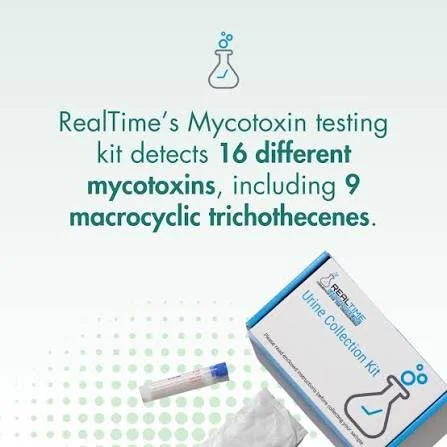
Urine mycotoxin testing measures mycotoxins or their metabolites being excreted through the urine. It can provide information about what the body is eliminating at the time of testing, but it cannot determine exactly when or where an exposure occurred. Results can also be influenced by factors such as diet and individual differences in elimination. I personally did the urine mycotoxin test offered by Realtime Labs.
Organic Acids Testing (OAT)
An Organic Acids Test isn't a direct test for mold toxicity. It measures metabolites in the urine that can provide information about microbial metabolism, nutrient status, glutathione, mitochondrial function and other metabolic processes. Certain fungal-related metabolites may also be evaluated when fungal overgrowth or colonization is suspected.
VCS Contrast Sensitivity Testing
The Visual Contrast Sensitivity (VCS) test measures your ability to distinguish subtle differences in visual contrast that may be associated with biotoxin illnesses. It is sometimes used as a screening tool within the CIRS framework. It is inexpensive and non-invasive, but it cannot diagnose CIRS on its own; however, it is a great starting point.
Which Test Should You Choose?
There isn't one test that's right for everyone. Testing should be considered alongside your symptoms, health history and, importantly, your environment. Different tests have different limitations, and abnormal results don't necessarily establish that mold is the cause of your symptoms.
I've written a much more detailed blog covering these tests, along with additional options such as sinus testing and genetic testing.
-
VCS Contrast Sensitivity Testing (FREE)
-
Urine Mycotoxins (RealTime Lab)- 10% off with code oanatox10
-
Urine Mycotoxins (Vibrant Wellness)
-
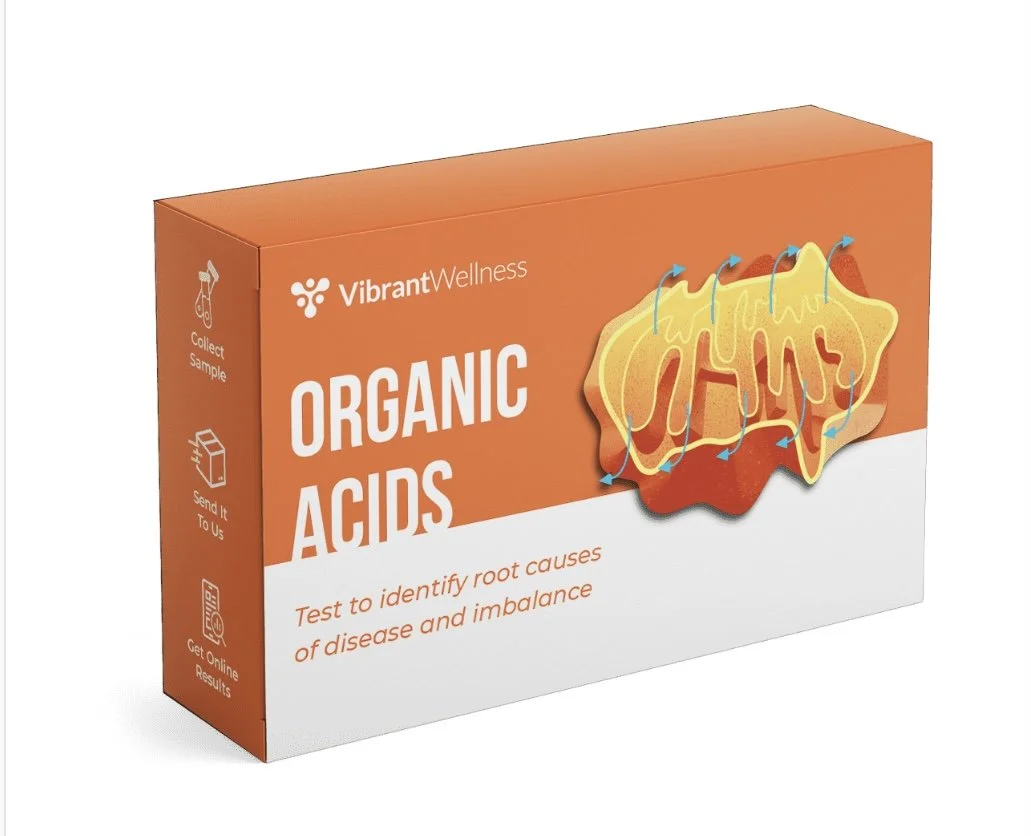
Organic Acids (Vibrant Wellness)
Testing The Building
If you suspect mold toxicity, investigating your home and identifying potential sources of exposure is an important part of the process. Mold isn't always visible and can sometimes be hidden behind walls, under flooring, in HVAC systems, attics, basements, crawl spaces and other areas affected by moisture or previous water damage.
ERMI Testing
ERMI (Environmental Relative Moldiness Index) is a dust-based test that uses DNA analysis to identify and quantify specific mold species in a home. Unlike a single air sample, it looks at mold present in collected household dust, which can provide information about mold that has accumulated over time.
ERMI was the home test I personally used during my own mold journey. While it can provide useful information, it shouldn't be viewed as a stand-alone diagnosis of whether a home is "safe" or "unsafe." Results are best considered alongside the history of the building, moisture problems, a thorough inspection and the health of the people living there. ORDER ERMI HERE.
EMMA Testing
EMMA (Environmental Mold and Mycotoxin Assessment) is another dust-based home test. It looks for mold species as well as certain mycotoxins in dust collected from the home. This may be useful for those looking for additional information about potential mold and mycotoxin exposure within their environment. ORDER EMMA HERE (10% off with code oanatox10).
Finding a Qualified Mold Inspector
Home testing can provide valuable clues, but it doesn't replace a thorough investigation of the building. A qualified mold inspector or indoor environmental professional can help identify moisture intrusion, previous water damage, hidden mold growth and the source of the problem.
Finding the right person matters. I've attached a separate guide with tips on what to look for, questions to ask and potential red flags when choosing a mold inspector.
How to Find a Qualified Mold Inspector ↓
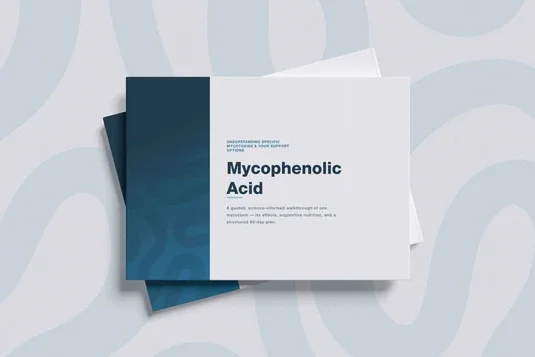
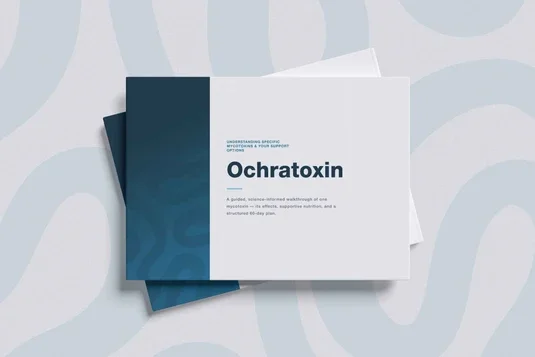
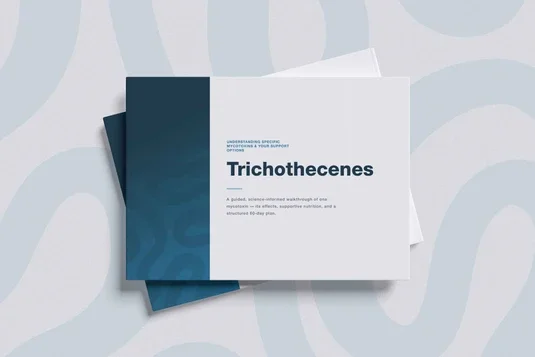
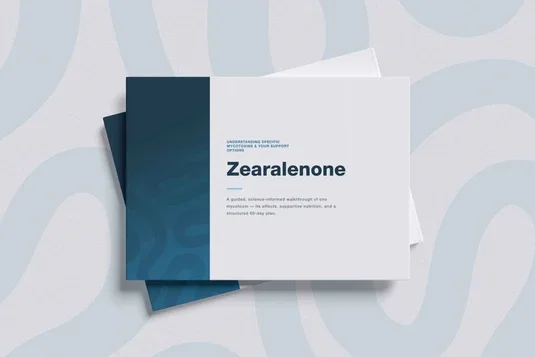
Dr. Jill Crista's Mycotoxin Guides & Products
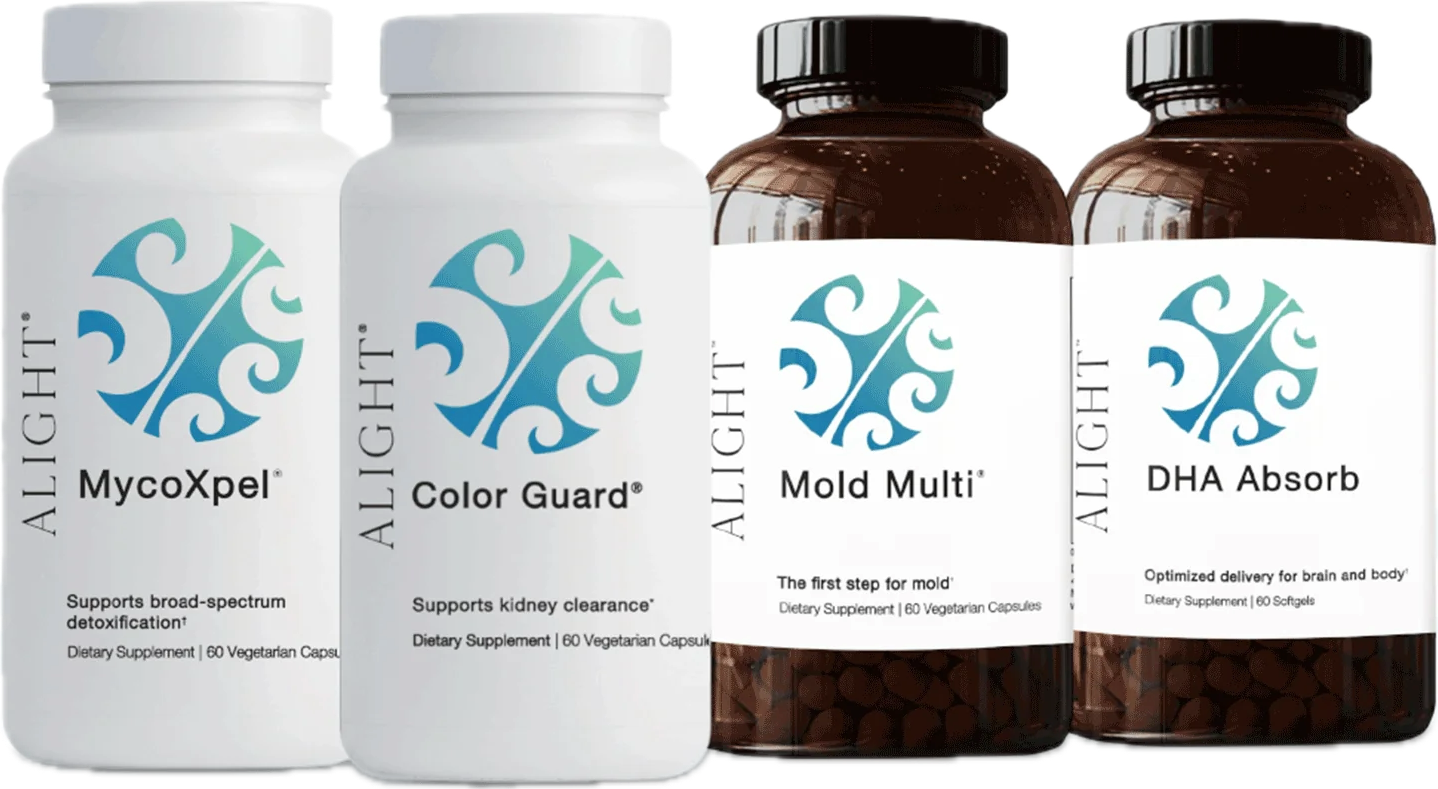
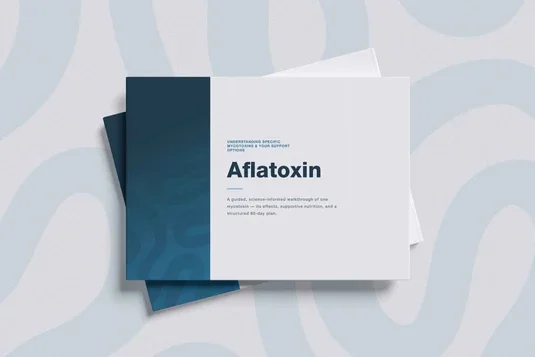
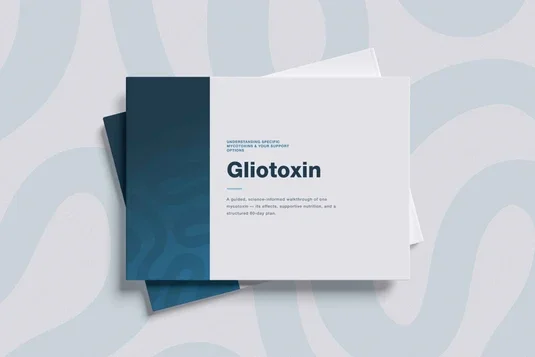
If you're looking to learn about different mycotoxins and for more structured guidance, Dr. Jill Crista's approach is also available through Alight Health Formulas, which offers mycotoxin-specific guides, products and step-by-step recommendations based on her methodology.
The guides help you understand individual mycotoxins, how they impact the body and what you can do about it.
Additional Supports to Consider
-
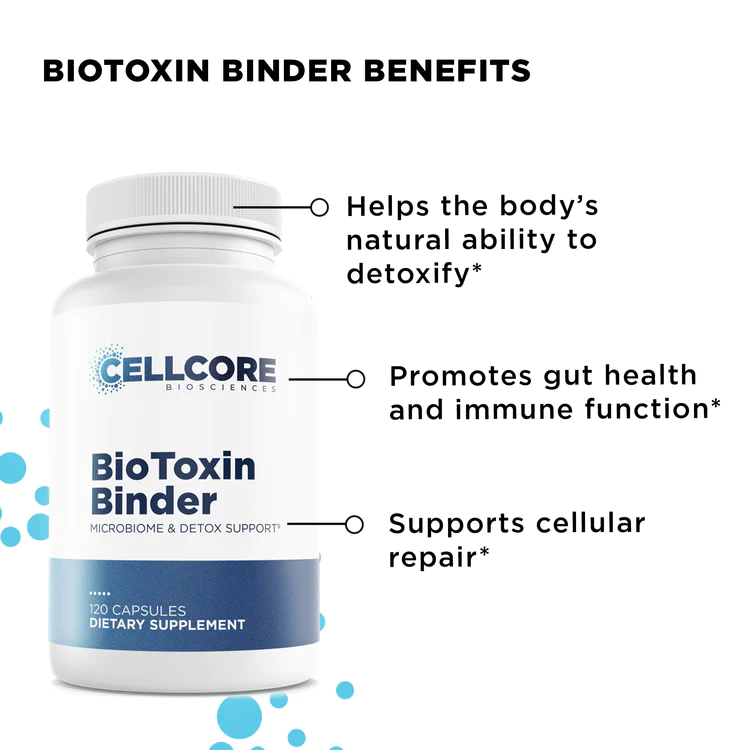
CELLCORE BINDERS
CellCore’s biotoxin binders have been my go-to for years. They offer several binder options designed to support the binding and elimination of biotoxins, including mycotoxins.
-

SINUS KIT
Microbalance Health offers a nasal spray that is well known and loved in the mold community, along with many products designed for mold. 15% off with my link and code BYEMOLD
-
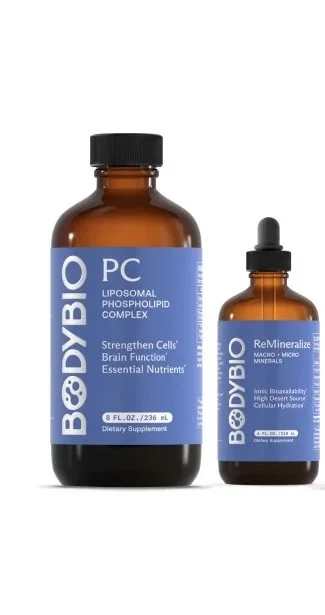
PHOSPHOLIPIDS & MINERALS
BodyBio PC is my go-to phosphatidylcholine supplement for supporting healthy cell membranes, liver and bile function, and cellular health during mold recovery. 15% off with code BYEMOLD
Books I Recommend Reading
If you want to dive deeper into mold toxicity and understand the different approaches to recovery, these are some of the resources I recommend.
Break the Mold by Dr. Jill Crista is a practical and approachable resource focused specifically on mold toxicity, with an emphasis on integrative and natural strategies.
Toxic by Dr. Neil Nathan explores mold toxicity alongside other factors that can contribute to complex chronic illness, including mast cell activation and nervous system dysfunction.
The Sensitive Patient's Healing Guide by Dr. Neil Nathan is especially helpful for those who are highly sensitive or have difficulty tolerating supplements and treatments. It focuses on taking a slower, individualized approach and understanding what may need to be addressed before the body can tolerate more.

Other Resources
Mold toxicity is complex and highly individualized. In this guide, I've shared some of my go-to resources, products and approaches, but I highly recommend working one-on-one with a knowledgeable healthcare practitioner who can consider your individual symptoms, health history and exposure.
If you'd like to continue learning, below are additional resources that may be helpful.
MY BLOGS:
Particulate Cleaning After Minor Mold Remediation (goes into detail about cleaning and what belongings to keep vs toss).
RESEARCH LINKS:
Disclaimer
This resource is for educational purposes only and does not constitute medical advice. Always consult with your doctor if you have any health concerns or are starting a new health regimen. Wellness with Oana is not a doctor and does not diagnose, treat or cure illnesses. This content has not been sponsored by any company. This resource contains affiliate links, which means I may earn a small commission if you choose to purchase through them - at no extra cost to you.
© 2026 Wellness with Oana. All rights reserved. Please do not copy or reproduce without permission.